- May 6, 2026
- Pain Management
- 0 Comments
Living with pain—whether it’s in your back, joints, neck, or nerves—can affect every aspect of your life. From limiting daily activities to impacting mental well-being, chronic pain is a serious concern that should not be ignored.
The good news is that with the right pain management techniques, you can significantly reduce discomfort and improve your quality of life. Modern medicine now offers both non-invasive and minimally invasive treatments that provide long-lasting relief.
Experts like Dr. Rakesh Kumawat – Interventional Radiologist and Pain Management Specialist specialize in advanced, image-guided pain management techniques that target the root cause of pain effectively.
What is Pain Management?
Pain management is a medical approach focused on:
• Reducing or eliminating pain
• Improving physical function
• Enhancing overall quality of life
It involves a combination of lifestyle changes, therapies, medications, and advanced procedures depending on the type and severity of pain.
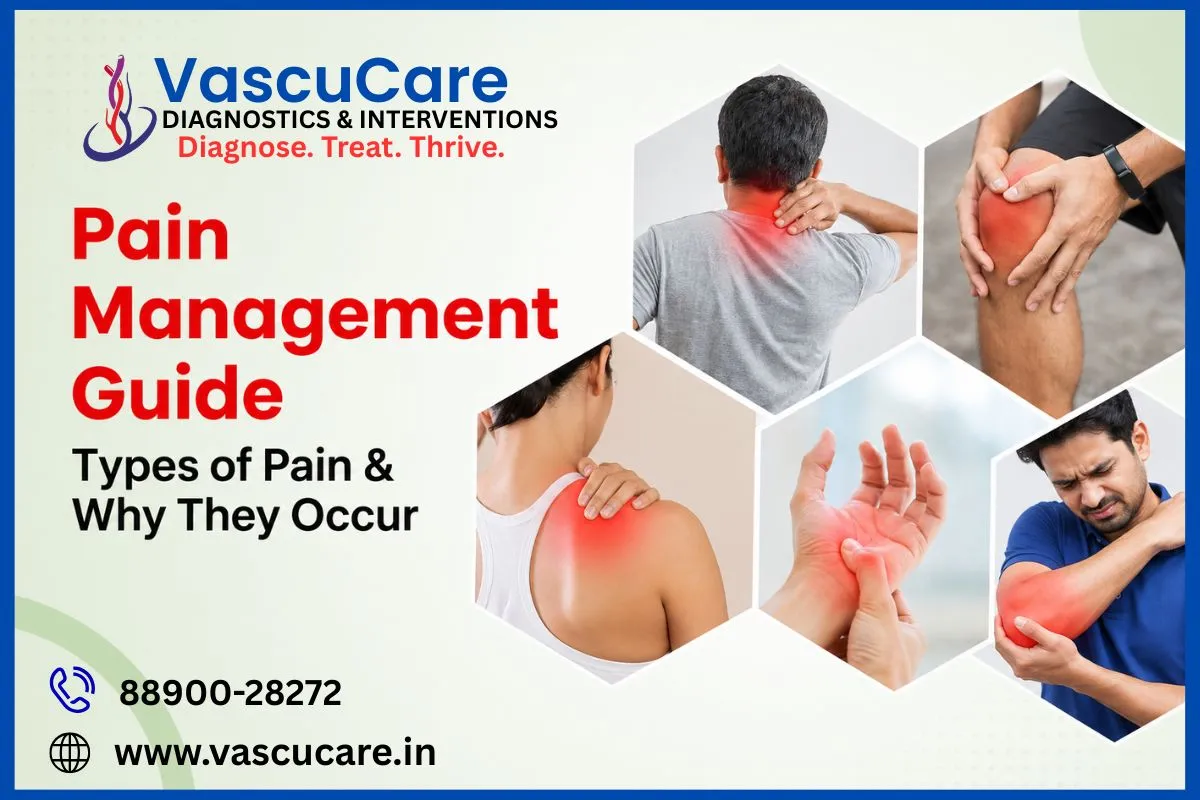
Types of Pain
Understanding your pain helps in choosing the right treatment.
1. Acute Pain
• Short-term pain caused by injury or illness
• Usually resolves with treatment
2. Chronic Pain
• Lasts for more than 3 months
• Requires long-term management
3. Neuropathic Pain
• Caused by nerve damage
• Often described as burning or tingling
4. Musculoskeletal Pain
• Affects muscles, bones, and joints
Effective Pain Management Techniques
1. Lifestyle Modifications
Small daily changes can make a big difference.
Tips:
• Maintain a healthy weight
• Stay physically active
• Practice good posture
• Get adequate sleep
These habits help reduce stress on your body and prevent pain.
2. Physical Therapy & Exercise
Regular exercise strengthens muscles and improves flexibility.
Recommended:
• Stretching exercises
• Strength training
• Low-impact activities like walking or swimming
Physiotherapy also helps correct posture and improve mobility.
3. Medications
Doctors may prescribe:
• Pain relievers
• Anti-inflammatory drugs
• Muscle relaxants
These help manage symptoms but should be used under medical supervision.
4. Heat & Cold Therapy
• Ice packs reduce inflammation
• Heat therapy relaxes muscles
Simple home remedies can provide quick relief for mild pain.
5. Stress Management Techniques
Mental health plays a key role in pain perception.
Methods:
• Meditation
• Yoga
• Deep breathing exercises
Reducing stress can significantly improve pain control.
6. Advanced Non-Surgical Pain Treatments
Modern pain management focuses on targeted, minimally invasive procedures.
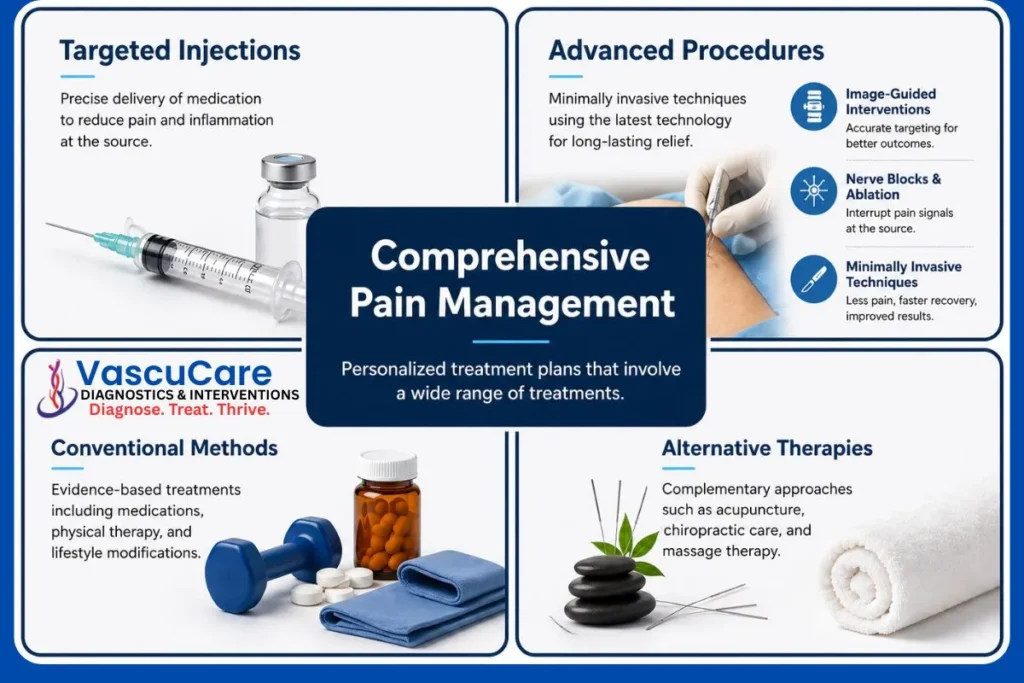
Examples Include:
• Ultrasound-guided injections for precise pain relief
• Nerve blocks to interrupt pain signals
• PRP therapy to promote healing
• Image-guided interventions for chronic conditions
Specialized Knee Pain Treatments:
- Genicular Nerve Block – A targeted injection that temporarily blocks pain signals from knee nerves, providing quick relief.
- Genicular Artery Embolization (GAE) – A minimally invasive procedure that reduces abnormal blood flow in the knee to decrease inflammation and pain.
- PRP Therapy (Platelet-Rich Plasma) – Uses the patient’s own blood components to accelerate healing of damaged tissues and reduce pain.
- Genicular Nerve Ablation – Uses heat (radiofrequency) to disable pain-transmitting nerves for long-lasting relief.
Specialists like Dr. Rakesh Kumawat – Interventional Radiologist and Pain Management Specialist use these advanced techniques to treat pain at its source with minimal discomfort.
7. Ergonomic Adjustments
Your work environment matters.
Improve:
• Sitting posture
• Desk setup
• Screen height
Proper ergonomics reduce strain on your body.
8. Alternative Therapies
Some patients benefit from:
• Acupuncture
• Massage therapy
• Chiropractic care
These can complement medical treatments.
When Should You See a Specialist?
Consult a doctor if:
• Pain lasts more than a few weeks
• It interferes with daily activities
• It worsens over time
• You experience numbness or weakness
Early intervention prevents long-term complications.
Benefits of Modern Pain Management
• Targeted treatment
• Minimal side effects
• Faster recovery
• Improved quality of life
With the right approach, most patients can achieve significant relief without major surgery.
Conclusion
Pain should never be considered a normal part of life. With the right combination of lifestyle changes, therapies, and advanced treatments, you can regain control and live a pain-free life.
If you’re struggling with persistent pain, consulting an expert like Dr. Rakesh Kumawat – Interventional Radiologist and Pain Management Specialist can help you explore safe, effective, and minimally invasive solutions tailored to your needs.
Take the first step toward a healthier, pain-free future today.
Frequently Asked Questions (FAQs)
1. What is the best way to manage chronic pain?
A combination of lifestyle changes, physical therapy, medications, and advanced treatments provides the most effective long-term pain management.
2. Can pain be completely cured?
In many cases, pain can be significantly reduced or eliminated with proper treatment and consistent care.
3. Are pain medications safe?
They are safe when used under medical supervision, but long-term use should be monitored carefully.
4. What are minimally invasive pain treatments?
These are procedures that target pain using small injections or techniques without major surgery, ensuring faster recovery.
5. Does exercise help in pain relief?
Yes, regular exercise strengthens muscles and improves flexibility, reducing pain over time.
6. When should I consult a pain specialist?
If pain persists for weeks or affects your daily life, it is important to seek expert advice.
7. Can stress increase pain?
Yes, stress can worsen pain perception, making stress management an important part of treatment.
8. Are non-surgical treatments effective?
Yes, many patients benefit greatly from non-surgical and minimally invasive pain management options.
9. What is the role of an interventional radiologist in pain management?
They provide image-guided treatments that target the exact source of pain for effective relief.
10. Who should I consult for advanced pain treatment?
A specialist like Dr. Rakesh Kumawat – Interventional Radiologist and Pain Management Specialist for precise and modern treatment options.