- May 8, 2026
- Varicose Vein
- 0 Comments
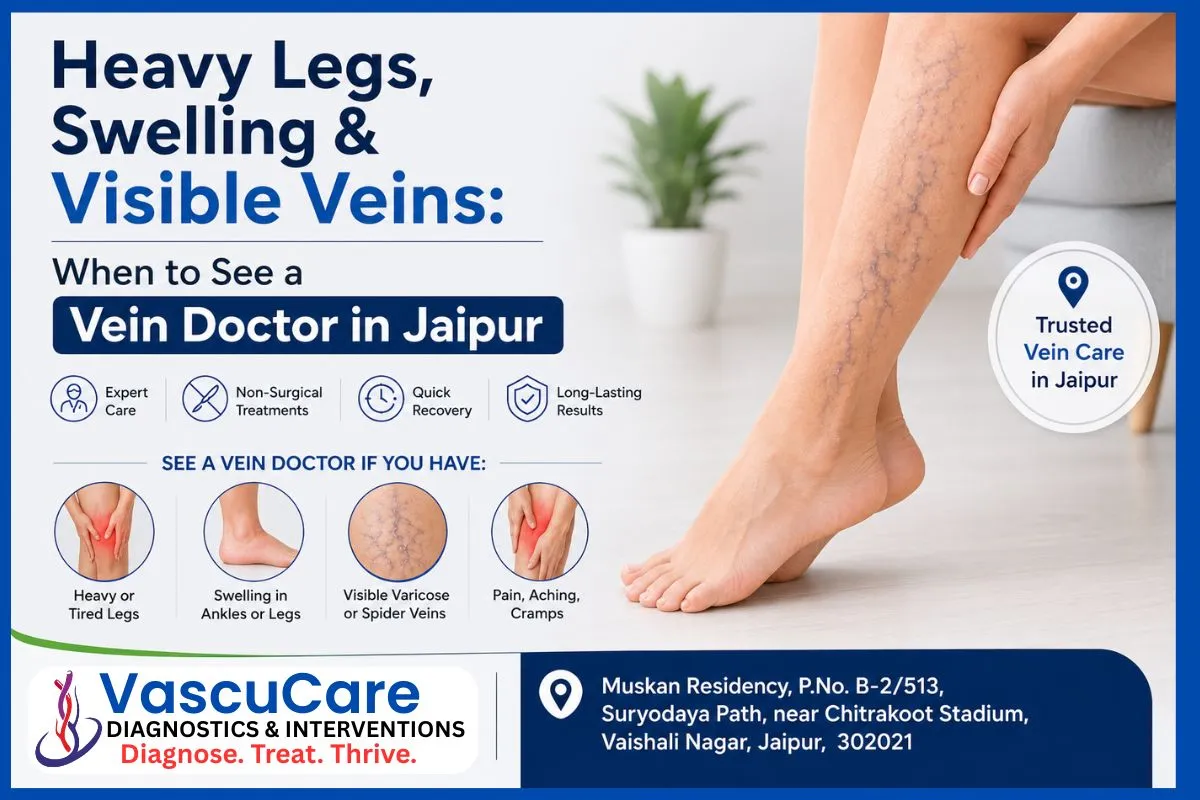
Do your legs often feel heavy after a long day? Have you noticed swelling around your ankles or visible veins becoming more prominent? While many people ignore these signs as simple fatigue, they can actually indicate an underlying vein problem such as varicose veins or chronic venous insufficiency.
Understanding when to consult a vein specialist can help you avoid complications and get timely treatment.
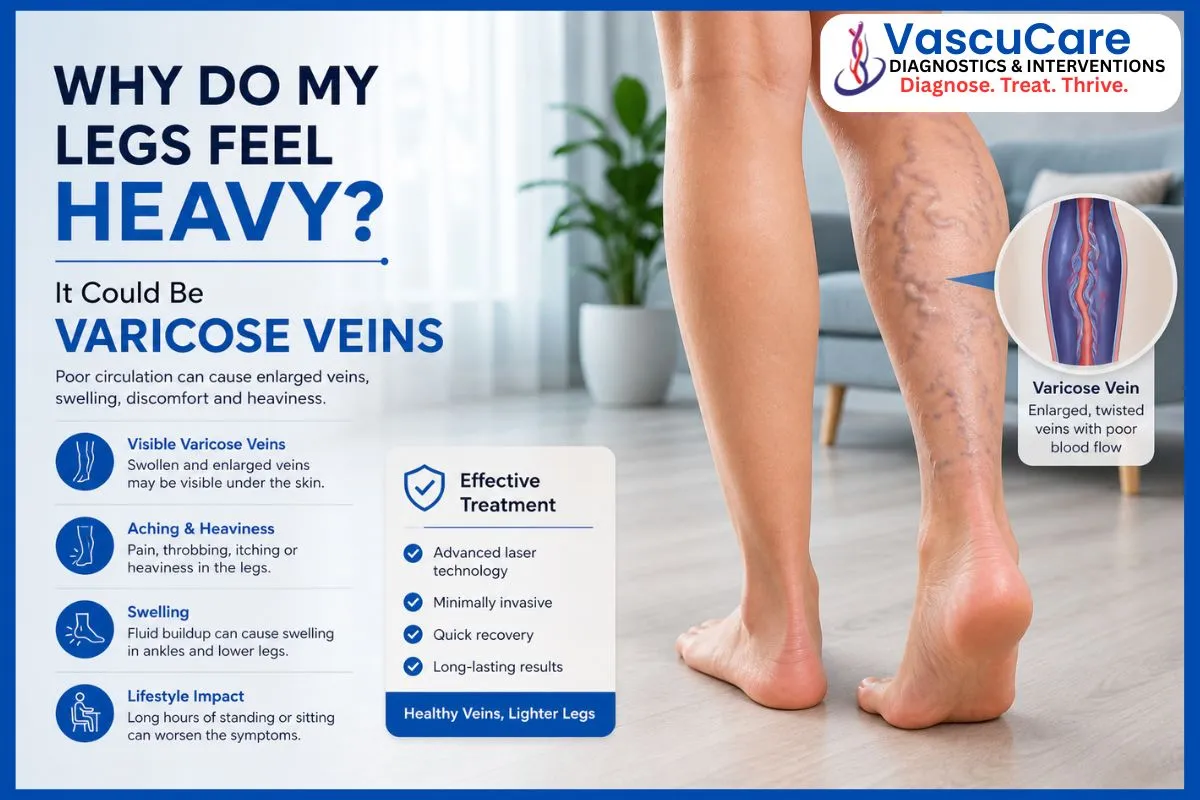
Why Do Legs Feel Heavy or Swollen?
Heavy legs and swelling are usually caused by poor blood circulation in the veins. Veins carry blood back to the heart, and when their valves weaken, blood starts pooling in the legs.
This leads to:
- Increased pressure in veins
- Fluid buildup (swelling)
- Visible vein enlargement
Common Symptoms You Should Not Ignore
If you’re experiencing any of the following symptoms, it’s time to pay attention:
- Persistent heaviness in legs
- Swelling in feet, ankles, or calves
- Visible blue or purple veins
- Burning or throbbing sensation - Night cramps in legs
- Itching or skin discoloration
- Pain after standing for long hours
These symptoms often worsen by the end of the day or after prolonged standing.
Causes of Vein Problems
Several factors can contribute to vein issues:
- Long hours of standing or sitting
- Obesity or lack of physical activity
- Pregnancy - Aging
- Family history of varicose veins
- Hormonal changes
People working in jobs like teaching, retail, factory work, or office desk jobs are especially at risk.
When Should You See a Vein Doctor in Jaipur?
Many people delay treatment until the condition becomes severe. However, you should consult a vein specialist if:
1. Symptoms Are Persistent
If heaviness or swelling doesn’t go away with rest, it may indicate a deeper vein issue.
2. Visible Veins Are Increasing
Bulging or twisted veins are a clear sign of varicose veins and require evaluation.
3. Pain Is Affecting Daily Life
If leg pain or discomfort interferes with walking, standing, or sleeping, it’s time to seek help.
4. Skin Changes Are Noticed
Darkening of skin, dryness, or ulcers near the ankle are signs of advanced vein disease.
5. Home Remedies Are Not Working
If compression stockings or lifestyle changes aren’t providing relief, medical treatment may be needed.
Why Early Diagnosis Matters
Ignoring vein problems can lead to serious complications such as:
- Chronic venous insufficiency
- Skin ulcers
- Blood clots (DVT)
- Severe swelling and inflammation
Early diagnosis allows for simple, non-surgical treatments with faster recovery.
Modern Treatments Available in Jaipur
Today, advanced technology has made vein treatment safer and more effective. Most treatments are minimally invasive and non-surgical.
Common Options Include:
- Laser Treatment (EVLT) – Closes affected veins using heat
- Radiofrequency Ablation (RFA) – Uses energy to seal veins
- Sclerotherapy – Injection-based treatment for smaller veins
- Glue Therapy – Modern, painless vein closure technique
These procedures are quick, require no major cuts, and allow patients to return home the same day.
Best Place for Vein Treatment in Jaipur
If you are looking for expert care, VascuCare Diagnostics & Interventions is one of the best places in Jaipur for vein-related problems.
They specialize in advanced interventional radiology treatments, offering accurate diagnosis and effective, non-surgical solutions for varicose veins and other vascular conditions. With experienced doctors and modern equipment, patients receive personalized care with excellent outcomes.
Tips to Prevent Vein Problems
While treatment is available, prevention is always better:
- Avoid standing or sitting for long periods
- Elevate your legs while resting
- Stay physically active
- Maintain a healthy weight - Wear compression stockings if recommended
Conclusion
Heavy legs, swelling, and visible veins are not just minor discomforts—they can be early signs of serious vein problems. Ignoring them may lead to complications, while timely consultation can help you get relief with simple, non-surgical treatments.
If you’re experiencing these symptoms, don’t wait. Consult a vein specialist and take the first step toward healthier legs.
FAQs
1. Are heavy legs always a sign of varicose veins?
Not always, but persistent heaviness is a common early symptom.
2. Is swelling in legs dangerous?
Occasional swelling is normal, but frequent swelling may indicate vein issues.
3. Can vein problems be treated without surgery?
Yes, most modern treatments are non-surgical and minimally invasive.
4. How long does treatment take?
Most procedures are completed within 30–60 minutes.
5. Is treatment painful?
No, treatments are usually painless or involve minimal discomfort.