
- May 9, 2026
- Pain Management
- 0 Comments
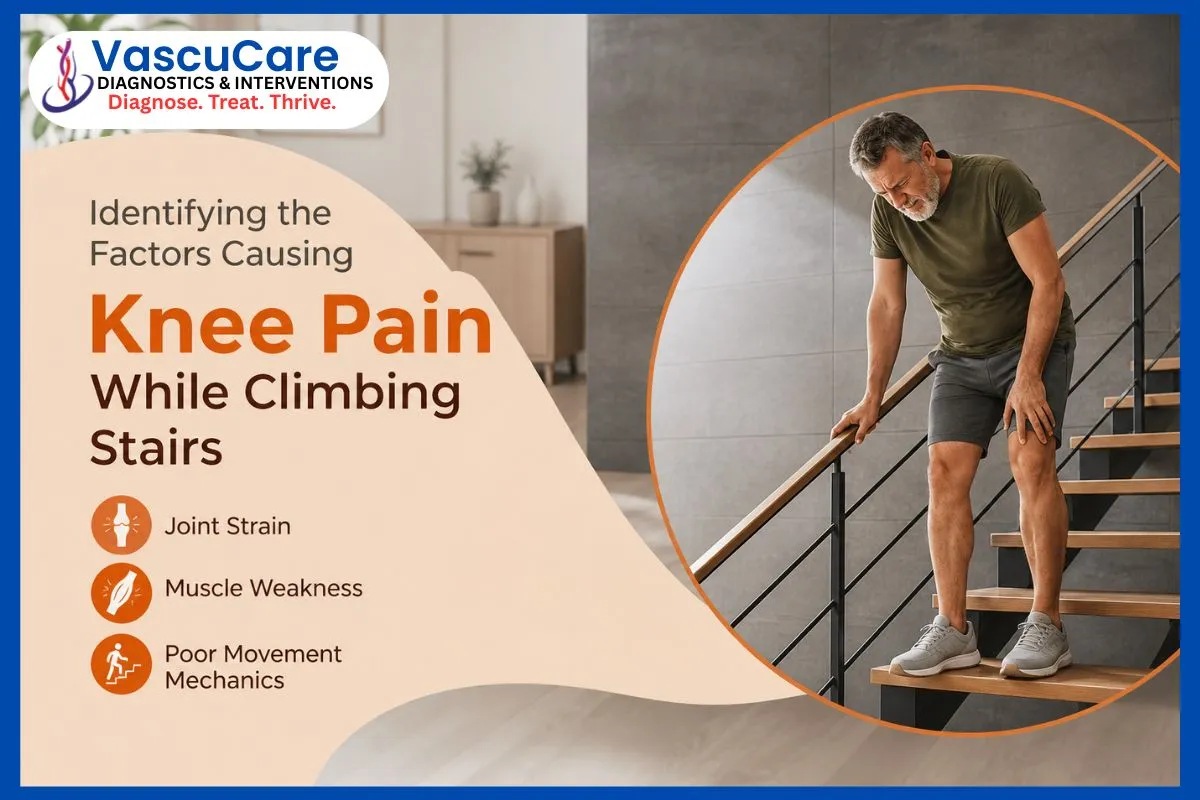
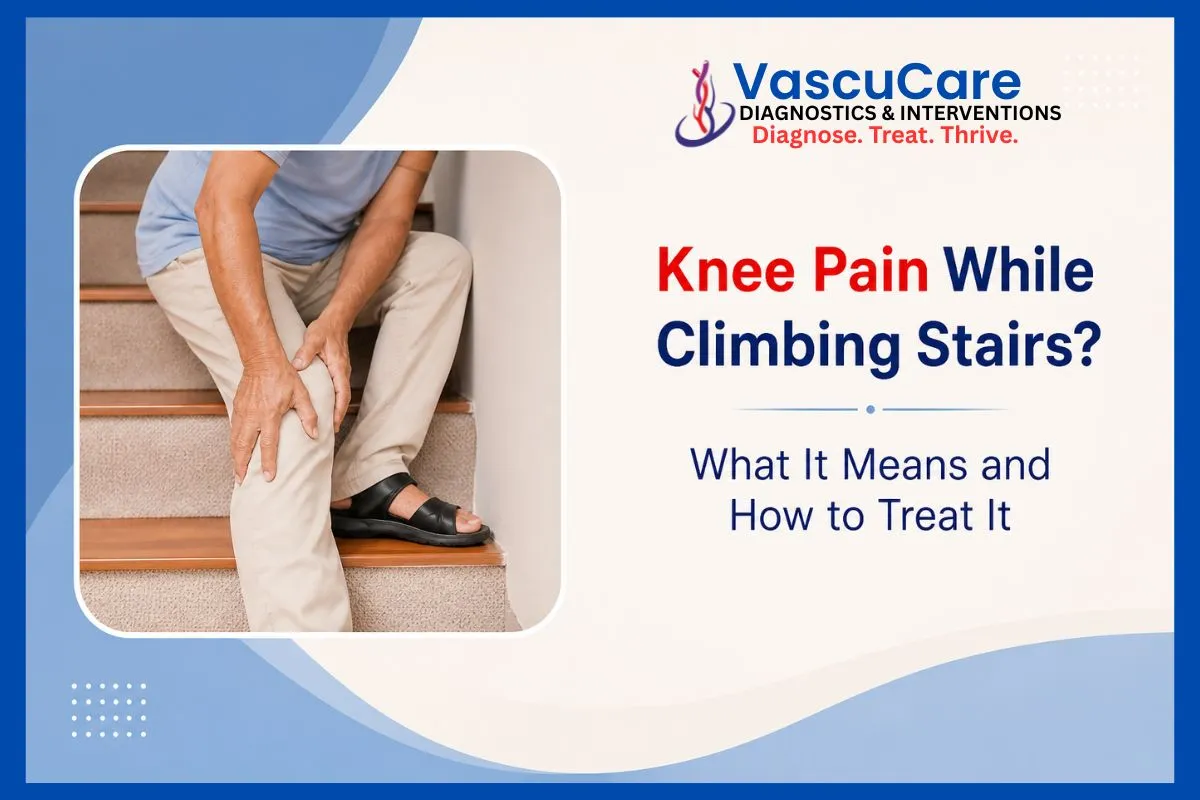
Knee pain is one of the most common problems affecting people of all age groups. If you feel discomfort while walking, climbing stairs, or even getting up from a chair, it could be a sign of an underlying joint issue that needs attention.
Ignoring knee pain in the early stages can lead to worsening symptoms and reduced mobility. The good news is that today, advanced non-surgical treatments are available to manage knee pain effectively.
Why Does Knee Pain Occur While Walking or Climbing Stairs?
Your knees bear most of your body weight. Activities like walking, climbing stairs, or bending put extra pressure on the knee joint. When there is damage or inflammation, these movements can become painful.
Common Causes of Knee Pain
1. Osteoarthritis
One of the most common causes, especially in older adults. It occurs due to wear and tear of cartilage in the knee joint.
2. Ligament Injuries
Injuries to ACL, MCL, or other ligaments can cause instability and pain.
3. Meniscus Tear
A tear in the cartilage can cause pain during movement, especially while climbing stairs.
4. Patellofemoral Pain Syndrome
Pain around the kneecap, often seen in younger individuals and athletes.
5. Tendinitis
Inflammation of tendons due to overuse or strain.
Symptoms You Should Not Ignore
- Pain while walking or climbing stairs
- Stiffness in the knee
- Swelling or inflammation
- Clicking or grinding sensation
- Reduced movement or flexibility
If these symptoms persist, it’s important to consult a specialist.
When Should You See a Doctor?
- Pain lasts more than a few days
- Difficulty in walking or standing
- Swelling doesn’t reduce
- Pain worsens over time
- Daily activities are affected
Early diagnosis can help avoid surgery and long-term damage.
Advanced Non-Surgical Treatment Options
Modern pain management and interventional radiology offer highly effective, minimally invasive treatments for knee pain.
1. Genicular Nerve Block
This procedure involves injecting medication near the nerves supplying the knee joint to block pain signals.
Benefits:
- Instant pain relief
- Minimally invasive
- Helps in diagnosis and treatment
2. Genicular Artery Embolization (GAE)
A cutting-edge treatment that reduces inflammation by blocking abnormal blood flow to the knee joint.
Benefits:
- Reduces chronic pain
- Improves mobility
- Ideal for osteoarthritis patients
3. PRP Therapy (Platelet-Rich Plasma)
PRP uses your body’s own platelets to promote healing and tissue regeneration.
Benefits:
- Natural healing process
- Reduces inflammation
- Improves joint function
4. Genicular Nerve Ablation
In this procedure, heat energy is used to deactivate pain-causing nerves around the knee.
Benefits:
- Long-lasting pain relief
- No surgery required
- Quick recovery
Why Choose Non-Surgical Treatments?
- No major surgery
- Minimal downtime
- Quick recovery
- Less risk and pain
- Effective long-term results
Best Place for Knee Pain Treatment
For advanced and reliable treatment, VascuCare Diagnostics & Interventions is one of the best places for knee pain management.
They specialize in interventional radiology-based treatments, offering procedures like genicular nerve block, artery embolization, PRP therapy, and nerve ablation. With expert care and modern technology, patients receive effective relief without undergoing surgery.
Tips to Prevent Knee Pain
- Maintain a healthy weight
- Exercise regularly (low-impact activities like walking or swimming)
- Avoid excessive strain on knees
- Use proper footwear
- Strengthen leg muscles
Conclusion
Knee pain while walking or climbing stairs should never be ignored. It can indicate underlying joint problems that may worsen over time. The good news is that modern, non-surgical treatments provide effective relief without the need for surgery.
If you’re experiencing persistent knee pain, consult a specialist and explore advanced treatment options for a pain-free, active life.
FAQs
1. Is knee pain while climbing stairs serious?
It can be an early sign of joint issues like arthritis or cartilage damage.
2. Can knee pain be treated without surgery?
Yes, many advanced non-surgical treatments are available today.
3. How long does recovery take?
Most non-surgical treatments allow recovery within a few days.
4. Is PRP therapy safe?
Yes, it uses your own blood, making it a safe and natural treatment.
5. Which treatment is best for knee pain?
It depends on the cause; a specialist can recommend the best option.