
- May 14, 2026
- Pain Management
- 0 Comments
Pain is one of the most common health problems affecting people of all age groups today. Whether it is persistent back pain, chronic knee discomfort, or nerve-related pain, living with ongoing pain can impact mobility, work performance, sleep, and overall quality of life.
Many people continue taking painkillers for months without understanding the actual cause of their condition. While temporary relief may help for some time, untreated pain can gradually become more severe and difficult to manage.
The good news is that modern pain management treatments now offer advanced, minimally invasive solutions for long-term relief. The key is consulting the right specialist at the right time.
Understanding Different Types of Pain
Pain can occur due to several underlying conditions involving joints, nerves, muscles, or blood circulation. Proper diagnosis is important because each type of pain requires a different treatment approach.
Back Pain
Back pain is one of the leading causes of discomfort among working professionals, elderly individuals, and people with sedentary lifestyles.
Common causes include:
- Muscle strain
- Slip disc
- Sciatica
- Poor posture
- Degenerative spine conditions
Symptoms may include:
- Lower back pain
- Stiffness
- Burning pain radiating to legs
- Difficulty sitting or standing
Ignoring back pain for long periods may affect mobility and nerve function.
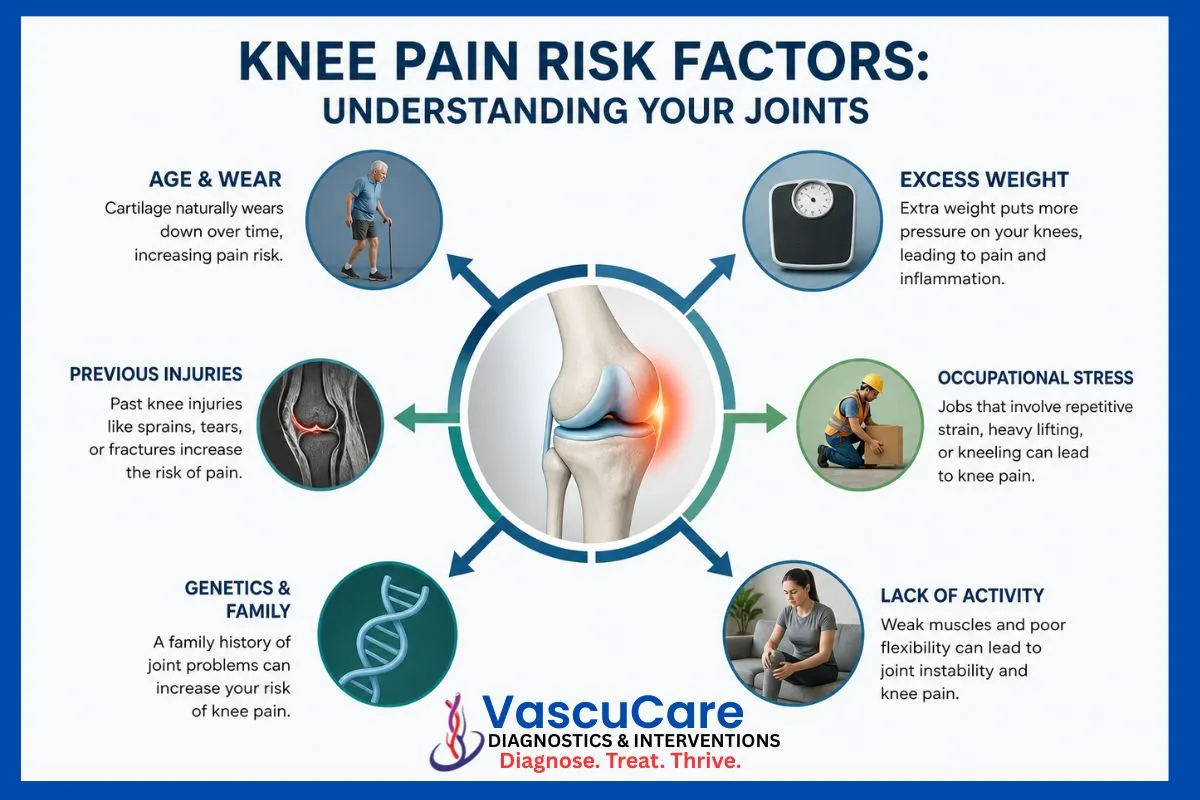
Knee Pain
Knee pain affects people of all ages and is often linked to:
- Arthritis
- Sports injuries
- Obesity
- Joint wear and tear
- Long standing hours
Common symptoms include:
- Pain while walking
- Swelling around the knee
- Difficulty climbing stairs
- Joint stiffness
Chronic knee pain can gradually reduce mobility and daily activity levels.
Nerve Pain
Nerve-related pain is different from muscle or joint pain. It often feels like:
- Burning sensation
- Tingling
- Numbness
- Electric shock-like pain
Conditions like sciatica, nerve compression, and peripheral neuropathy commonly cause nerve pain.
If untreated, nerve-related problems can become chronic and affect quality of life significantly.
Why Choosing the Right Pain Specialist Matters
Many patients initially consult general physicians and continue symptom-based treatment for long periods. However, chronic pain often requires specialized evaluation and targeted treatment.
A pain specialist focuses on:
- Identifying the root cause of pain
- Reducing inflammation and discomfort
- Improving mobility
- Avoiding unnecessary surgery whenever possible
Advanced pain management now uses minimally invasive procedures that provide effective relief with faster recovery.
What Is Pain Management?
Pain management is a specialized medical field focused on diagnosing and treating chronic or severe pain conditions using advanced therapies and image-guided procedures.
The goal is not only to reduce pain but also to improve:
- Daily functioning
- Movement and flexibility
- Sleep quality
- Overall lifestyle
Modern pain management treatments are often safer and less invasive compared to traditional surgery.
Advanced Non-Surgical Pain Treatments
Depending on the condition, specialists may recommend different minimally invasive procedures.
PRP Therapy (Platelet-Rich Plasma)
PRP therapy uses the patient’s own blood platelets to support healing and reduce inflammation.
It is commonly used for:
- Knee pain
- Joint injuries
- Early arthritis
Benefits include:
- Faster healing
- Reduced inflammation
- Improved joint function
Genicular Nerve Block
This procedure targets nerves around the knee to reduce chronic pain signals.
It is especially helpful for:
- Arthritis pain
- Long-term knee discomfort
- Patients avoiding surgery
Genicular Nerve Ablation
For chronic knee pain, radiofrequency energy may be used to reduce pain transmission from nerves, providing longer-lasting relief.
�� Image-Guided Pain Procedures
Modern procedures use imaging guidance such as ultrasound or fluoroscopy for greater precision and safety.
These treatments may include:
- Nerve blocks
- Epidural injections
- Targeted pain therapies
Vein & Circulation Treatments
Sometimes pain may also be linked to poor blood circulation or vein-related disorders such as varicose veins.
Minimally invasive vascular treatments can help:
- Improve circulation
- Reduce swelling
- Relieve leg discomfort
When Should You Consult a Pain Specialist?
You should seek specialist consultation if:
- Pain persists for weeks or months
- Painkillers provide only temporary relief
- Mobility becomes difficult
- You experience numbness or burning pain
- Daily activities are affected
Early diagnosis often prevents complications and improves treatment outcomes.
Importance of Accurate Diagnosis
Proper diagnosis is one of the most important steps in pain management.
A specialist may recommend:
- Physical examination
- MRI or X-rays
- Ultrasound or Doppler study
- Nerve evaluation tests
These help identify the exact source of pain and guide the right treatment plan.
VascuCare Diagnostics & Interventions – Advanced Pain & Vascular Care
For patients looking for modern, minimally invasive treatment options, VascuCare Diagnostics & Interventions offers advanced solutions for pain management and vascular conditions.
The center focuses on:
- Image-guided pain procedures
- Knee pain management
- Nerve pain treatment
- Varicose vein procedures
- Minimally invasive vascular interventions
The aim is to provide effective relief with reduced downtime and improved patient comfort.
FAQs
1. Which doctor should I consult for chronic pain?
A Pain Management Specialist or Interventional Radiologist can help diagnose and treat chronic pain effectively.
2. Can knee pain be treated without surgery?
Yes, treatments like PRP therapy and nerve blocks often help reduce pain without surgery.
3. Is nerve pain different from muscle pain?
Yes, nerve pain often feels like burning, tingling, or electric shock sensations.
4. Are minimally invasive pain treatments safe?
Modern image-guided procedures are generally safe and involve faster recovery.
5. When should I see a pain specialist?
If pain persists for weeks, affects mobility, or does not improve with medicines, specialist consultation is recommended.