
- May 21, 2026
- Pain Management
- 0 Comments
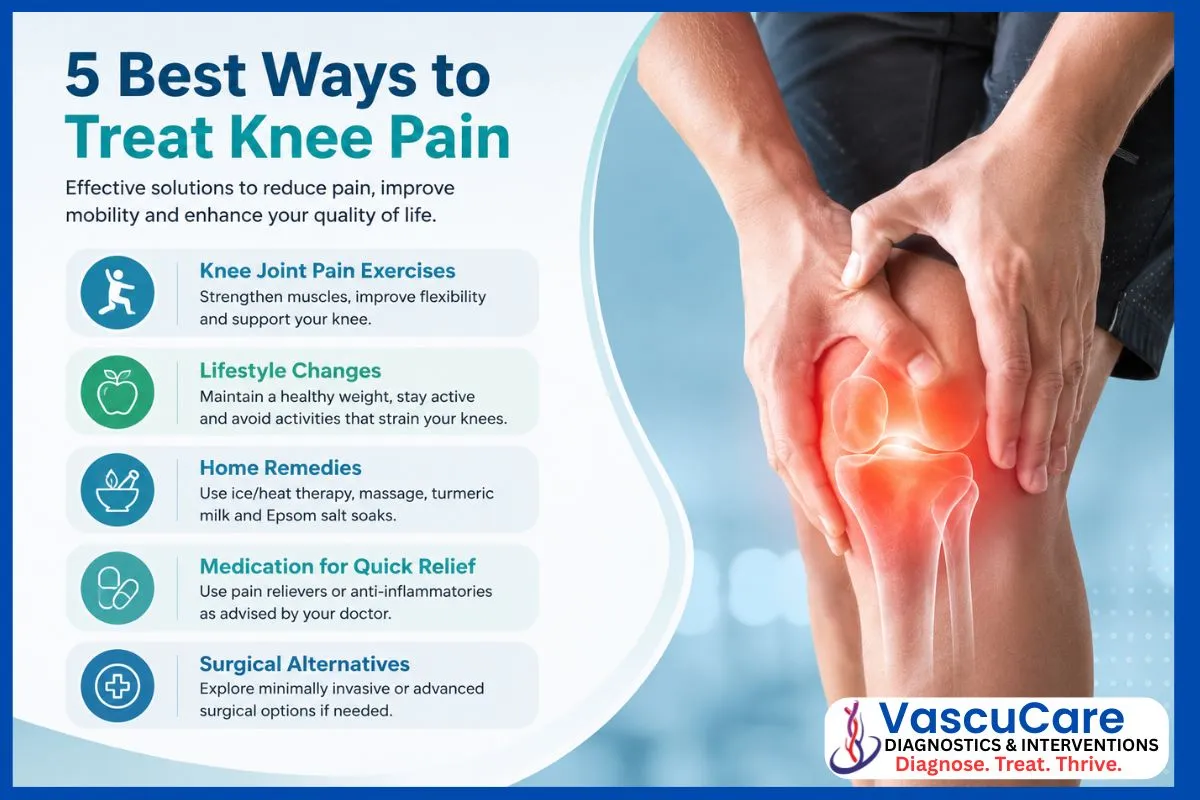
Knee pain is one of the most common problems affecting people of different age groups, especially those who walk frequently, climb stairs, stand for long hours, play sports, or have age-related joint changes. For many patients, knee pain starts as mild discomfort but slowly affects daily movement, work routine, sleep, and overall quality of life. If you are searching for knee pain treatment in Jaipur, the most important step is not just taking painkillers but finding the actual cause of pain through proper diagnosis.
Knee pain may happen due to osteoarthritis, ligament injury, meniscus tear, cartilage damage, tendon inflammation, bursitis, obesity-related joint pressure, old injury, or nerve-related pain around the knee. In many patients, especially those with long-term knee pain, the pain may not come only from the joint surface. It may also be carried by small sensory nerves around the knee known as genicular nerves. This is why modern pain management focuses on identifying the exact pain source before planning treatment.
Why Proper Diagnosis Is Important in Knee Pain
Every patient with knee pain does not need the same treatment. Some patients may improve with physiotherapy, weight management, exercise, medicines, and lifestyle changes. Others may need image-guided injections or advanced non-surgical procedures. A proper diagnosis helps avoid unnecessary medicines, repeated temporary treatments, and early surgical decisions.
A knee pain evaluation may include:
- Detailed pain history
- Physical examination
- Walking and movement assessment
- X-ray for arthritis or joint space reduction
- MRI for ligament, cartilage, or meniscus problems
- Blood tests if inflammation or infection is suspected
- Diagnostic nerve block in selected chronic pain cases
Cleveland Clinic lists knee pain treatment options such as medicines, braces, injections, PRP injections, visco supplementation, and physical therapy, depending on the cause and condition of the patient.
Common Symptoms That Need Medical Attention
You should consult a knee pain specialist if you experience:
- Pain while walking or climbing stairs
- Swelling around the knee
- Stiffness after sitting or waking up
- Pain while getting up from a chair
- Difficulty bending or straightening the knee
- Clicking, locking, or instability
- Reduced walking distance
- Pain that does not improve with rest or basic medicines
Ignoring knee pain may make the condition worse over time. Early diagnosis can help choose the right non-surgical treatment before the problem becomes severe.
Non-Surgical Knee Pain Treatment in Jaipur
Modern pain management has created several non-surgical options for patients who want relief from knee pain without directly moving toward surgery. These treatments are especially useful for selected patients with osteoarthritis, chronic knee pain, inflammation, or nerve-mediated pain.
At VascuCare Diagnostics & Interventions, patients can be evaluated for advanced image-guided knee pain treatments based on their diagnosis, pain severity, age, activity level, and previous treatment history.
1. PRP Therapy for Knee Pain
PRP therapy, also known as Platelet-Rich Plasma therapy, is a regenerative treatment used in selected knee pain and osteoarthritis cases. In this procedure, a small amount of the patient’s own blood is collected and processed to separate platelet-rich plasma. This plasma is then injected into the affected knee area under proper medical guidance.
PRP therapy may help in:
- Mild to moderate knee osteoarthritis
- Early cartilage-related pain
- Chronic inflammation
- Sports-related soft tissue pain
- Patients looking for non-surgical relief
Recent evidence generally supports PRP’s potential for improving pain and function in mild-to-moderate knee osteoarthritis, but results may vary because PRP preparation methods, patient selection, and study designs differ.
2. Genicular Nerve Block
A genicular nerve block is a minimally invasive pain management procedure used for chronic knee pain. It involves injecting medicine near specific genicular nerves around the knee. These nerves carry pain signals from the knee joint to the brain.
A genicular nerve block can serve two purposes. First, it may provide temporary pain relief. Second, it helps the doctor understand whether the genicular nerves are contributing to the patient’s knee pain. Cleveland Clinic describes a genicular nerve block as an injection that may provide temporary relief for chronic knee pain, though results can vary from person to person.
This treatment may be considered for:
- Chronic knee osteoarthritis pain
- Knee pain not responding to medicines
- Patients wanting to delay surgery
- Pain after knee surgery in selected cases
- Patients who may not be fit for major surgery
3. Genicular Nerve Ablation
If a patient gets good temporary relief from a genicular nerve block, the doctor may consider Genicular Nerve ablation. This procedure is also known as genicular nerve radiofrequency ablation. In this treatment, radiofrequency energy is used to target pain-carrying genicular nerves around the knee. Genicular Nerve Block Treatment In Jaipur is commonly considered for patients suffering from chronic knee pain who want non-surgical pain relief options.
The aim is to reduce pain signals and improve walking comfort. Genicular Nerve ablation does not rebuild cartilage or cure arthritis, but it may help selected patients manage chronic knee pain and improve daily function. A 2025 review reported that genicular nerve radiofrequency ablation can be effective for chronic knee pain from osteoarthritis or persistent post-surgical pain for at least 12 months in selected patients.
Genicular Nerve ablation may be suitable for:
- Long-term knee osteoarthritis pain
- Patients who respond well to diagnostic nerve block
- Patients who want non-surgical pain relief
- Patients not ready for knee replacement
- Persistent pain after knee surgery in selected cases
4. Genicular Artery Embolization
Genicular Artery embolization, also called GAE, is an advanced minimally invasive treatment performed by an interventional radiologist. In knee osteoarthritis, abnormal tiny blood vessels and inflammation around the knee lining may contribute to pain. During this procedure, selected genicular arteries are reached using image guidance, and tiny particles are used to reduce abnormal inflammatory blood flow.
GAE is not suitable for every knee pain patient, but it can be an option for selected patients with knee osteoarthritis who have not received enough relief from conservative treatment. UCLA Health describes GAE as a non-surgical treatment alternative for patients with knee pain due to osteoarthritis who have failed conservative therapy and do not want or are not eligible for knee replacement surgery.
A 2023 review also reported that limited evidence suggests GAE may improve knee osteoarthritis symptoms at clinically meaningful levels, while highlighting the importance of patient selection.
When Is Knee Surgery Needed?
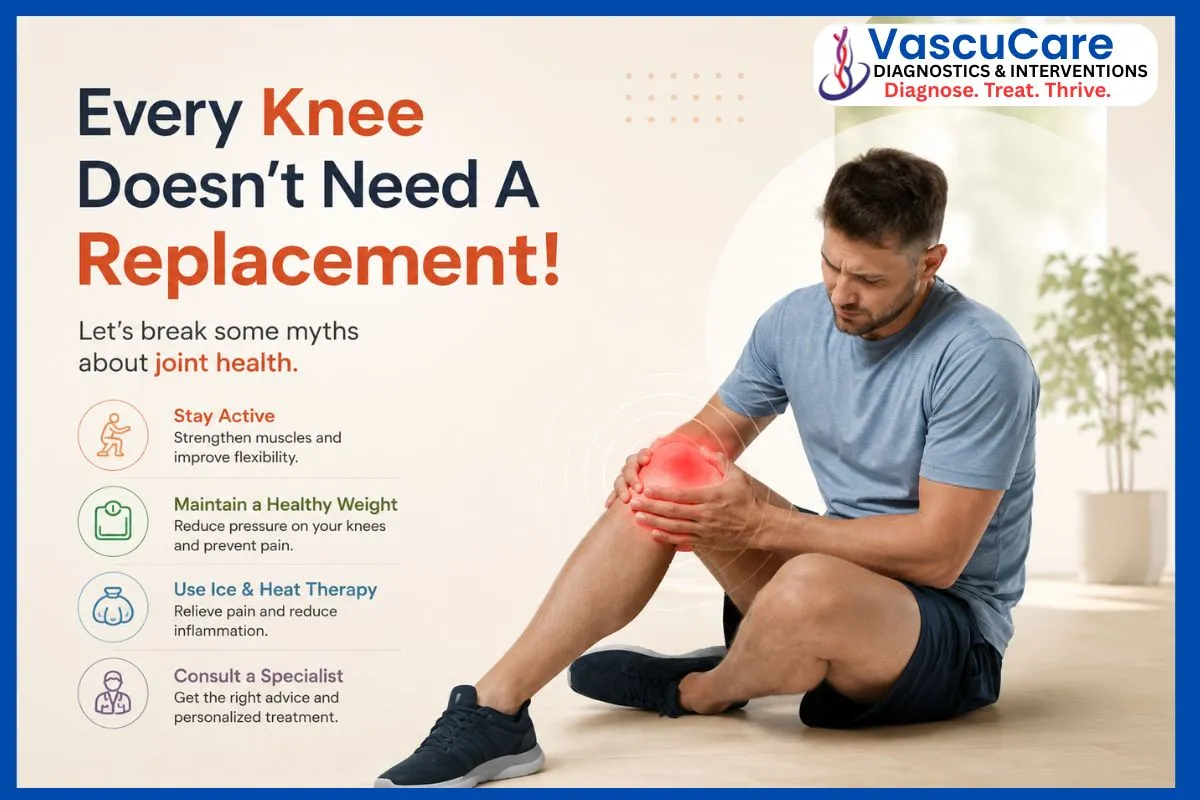
Non-surgical treatment can help many patients, but surgery may still be required in advanced cases. A patient may need surgical evaluation if there is severe deformity, complete joint space loss, major disability, severe instability, repeated locking, or pain that does not improve after proper non-surgical care.
The goal of pain management is not to avoid necessary surgery. The goal is to avoid unnecessary knee surgery and offer the right treatment at the right stage.
Dr. Rakesh Kumawat – Best Interventional Radiologist and Pain Management Specialist in Jaipur
For patients searching for advanced knee pain treatment in Jaipur, Dr. Rakesh Kumawat – Best Interventional Radiologist and Pain Management Specialist In Jaipur provides image-guided and non-surgical pain management options for chronic knee pain, arthritis pain, walking difficulty, and joint-related discomfort.
At VascuCare Diagnostics & Interventions, patients can receive proper evaluation and personalized treatment planning for knee pain. Depending on the diagnosis, treatment may include PRP therapy, genicular nerve block, Genicular Nerve ablation, genicular Artery embolization, physiotherapy guidance, or other pain management solutions.