- May 20, 2026
- Varicose Vein
- 0 Comments
Swollen leg veins are often ignored in the beginning because many people think they are only a cosmetic concern. However, visible blue, purple, twisted, or bulging veins can sometimes be a sign of varicose veins or chronic venous insufficiency. When these veins are associated with leg heaviness, swelling, pain, itching, burning, cramps, skin darkening, or non-healing wounds, it becomes important to consult a vein specialist or a Varicose Vein Doctor In Jaipur. If you are looking for varicose vein treatment in Jaipur, understanding the causes, symptoms, diagnosis, and treatment options can help you make the right decision at the right time.
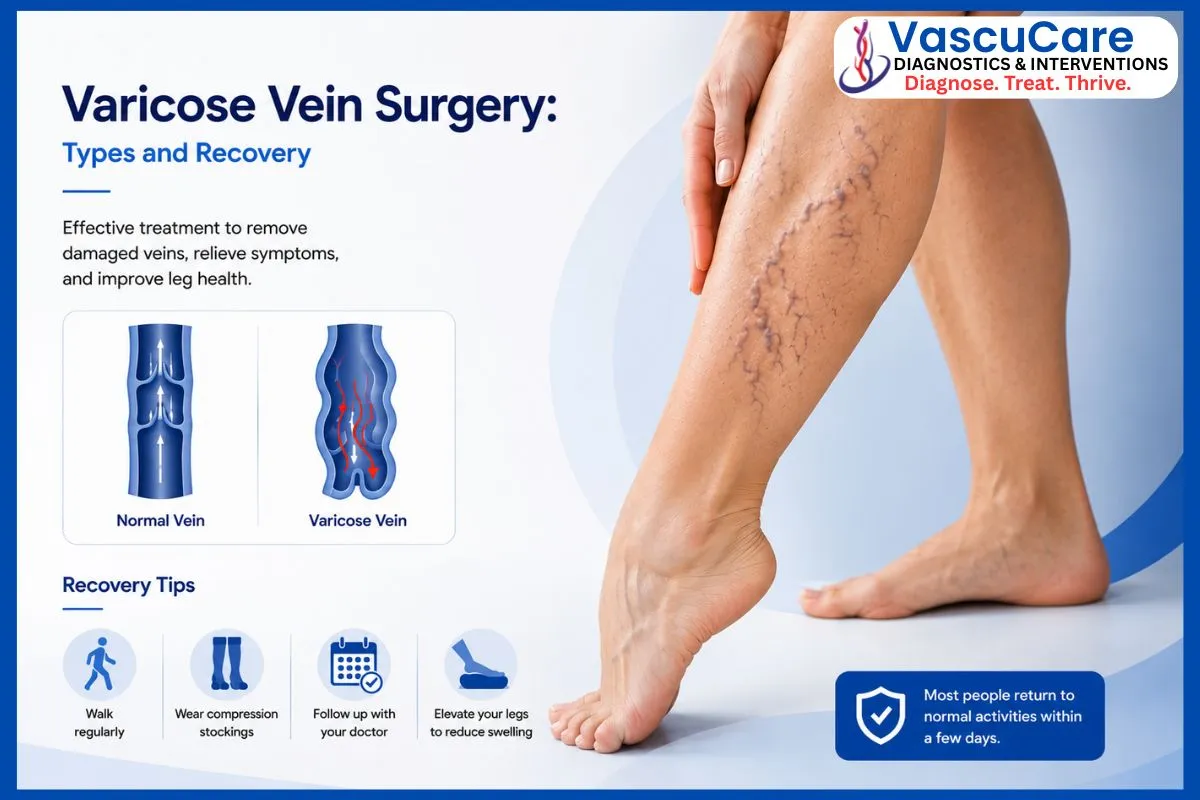
Varicose veins usually develop when the valves inside the leg veins become weak or damaged. Normally, these valves help blood move upward toward the heart. When the valves do not work properly, blood starts pooling in the veins, causing them to enlarge, twist, and become visible under the skin. Cleveland Clinic explains that varicose veins are swollen veins commonly seen in the legs, feet, or ankles, and they happen when blood backs up due to weak vein walls or poorly working valves.
Common Symptoms of Varicose Veins
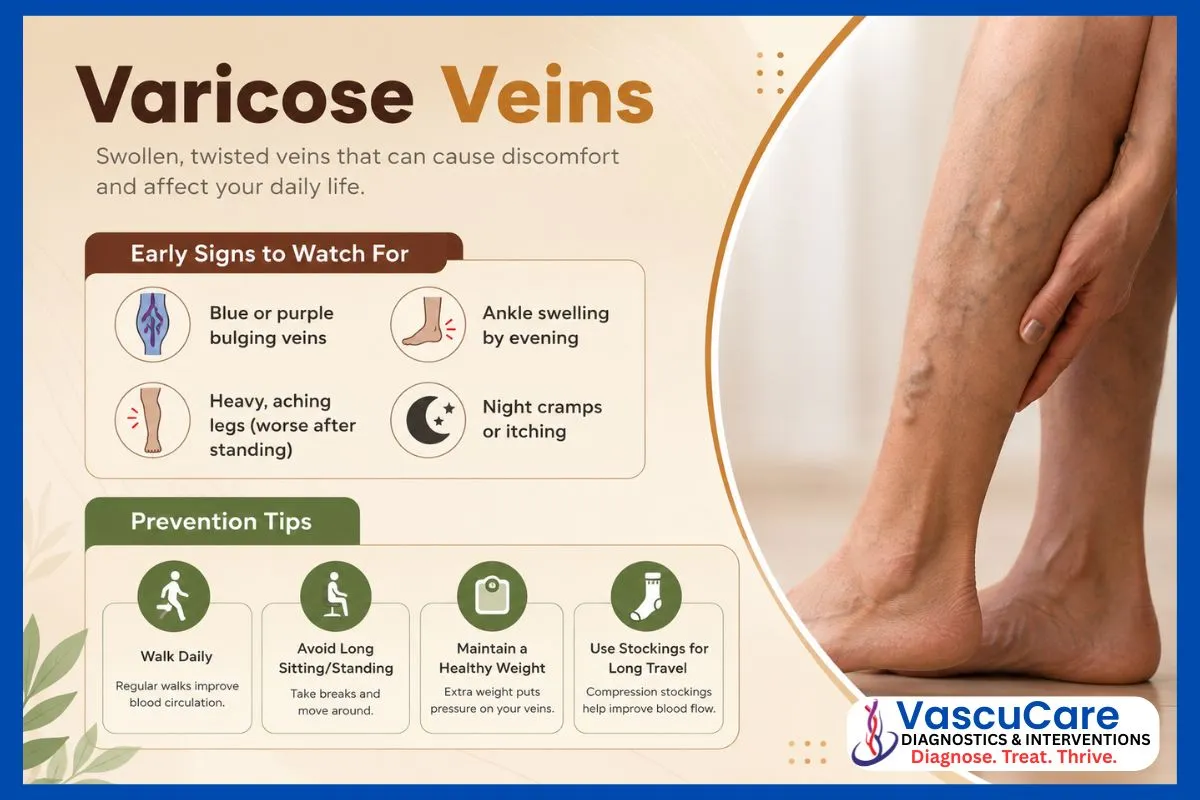
Varicose veins may appear as swollen, rope-like, blue or purple veins on the legs. In some patients, they may not cause pain initially, but symptoms can gradually increase over time. Common symptoms include:
- Visible twisted or bulging veins
- Leg heaviness, especially by evening
- Swelling around ankles or feet
- Pain after standing or sitting for long hours
- Burning or throbbing sensation
- Night cramps
- Itching around affected veins
- Skin discoloration near the ankle
- Dryness, eczema-like skin changes, or irritation
- Non-healing leg wounds or venous ulcers
The NHS notes that varicose veins may need specialist evaluation when they cause pain, heaviness, swollen legs, itching, skin changes, or complications such as leg ulcers.
Why Early Diagnosis Matters
Many patients delay treatment because varicose veins may not be painful in the early stage. But untreated vein disease can worsen gradually. In some cases, long-term venous pressure may lead to chronic swelling, pigmentation, skin hardening, bleeding from veins, superficial clotting, or venous ulcers. Early consultation helps identify the exact condition and prevents unnecessary delay.
A vein specialist usually begins with a clinical examination and then advises a duplex ultrasound or Colour Doppler test. This test checks blood flow, identifies faulty valves, maps affected veins, and helps plan treatment. The NHS says duplex ultrasound is commonly used to confirm varicose veins and plan treatment because it checks blood flow.
Best Varicose Vein Treatment Options in Jaipur
Treatment depends on the severity of varicose veins, symptoms, ultrasound findings, age, lifestyle, and overall health. Some patients may need conservative care, while others may need minimally invasive vein procedures.
1. Lifestyle Changes and Leg Care
In mild cases, lifestyle changes may help reduce symptoms and slow progression. These include regular walking, avoiding long standing, leg elevation, weight management, calf exercises, and avoiding very tight clothing. These steps may not remove existing varicose veins, but they can reduce discomfort and improve circulation.
2. Compression Stockings
Compression stockings are often advised for symptom relief. They apply gentle pressure on the legs and help support blood flow back toward the heart. They may reduce swelling, heaviness, and discomfort, especially for people who stand for long hours. Mayo Clinic lists self-care measures and compression stockings among common treatment approaches for varicose veins.
3. Endovenous Laser Treatment (EVLT)
Endovenous Laser Treatment, also called EVLT or laser ablation, is one of the most preferred modern treatments for varicose veins. Patients searching for Varicose Vein Laser Treatment In Jaipur often choose this minimally invasive procedure because of its advanced and effective approach. In this procedure, a laser fiber is inserted into the faulty vein under image guidance. Laser energy is used to close the diseased vein, and blood naturally gets redirected to healthier veins.
RadiologyInfo describes endovenous ablation as an image-guided, minimally invasive treatment that uses radiofrequency or laser energy to close abnormal veins that cause varicose veins. This makes laser treatment a suitable option for many patients who want a minimally invasive alternative to traditional surgery.
4. Radiofrequency Ablation (RFA)
Radiofrequency ablation, or RFA, is another minimally invasive procedure used to close faulty veins. Instead of laser heat, it uses radiofrequency energy. It is usually done under local anesthesia and may allow faster recovery compared with older surgical methods. Guy’s and St Thomas’ NHS Foundation Trust explains that radiofrequency ablation closes the vein feeding the varicose veins using heat and is performed under local anesthesia.
5. Foam Sclerotherapy
Foam sclerotherapy is used for selected varicose veins and smaller affected veins. In this treatment, a special foam solution is injected into the vein, causing the vein walls to collapse and close. Over time, the body absorbs the treated vein. This treatment may be used alone or along with other vein procedures depending on the vein size and ultrasound report.
6. Surgery for Severe Cases
Modern varicose vein treatment has reduced the need for traditional surgery in many cases. However, some patients may still need surgical treatment depending on vein anatomy, severity, recurrence, or complications. The NHS lists treatment options including endothermal ablation, foam sclerotherapy, surgery, and compression stockings.
When Should You Consult a Vein Doctor?
You should consult a vein specialist if you have swollen leg veins with pain, heaviness, swelling, itching, skin changes, bleeding, or wounds. Sudden painful swelling in one leg should be treated seriously because it may indicate a clot-related problem and needs urgent medical evaluation.
VascuCare Diagnostics & Interventions in Jaipur
For patients searching for advanced varicose vein treatment in Jaipur, VascuCare Diagnostics & Interventions offers evaluation and image-guided treatment planning for vein-related conditions. With proper diagnosis, Colour Doppler evaluation, and minimally invasive treatment options, patients can receive a personalized plan based on the severity and cause of their vein problem.
Patients looking for Dr. Rakesh Kumawat – Best Interventional Radiologist and Pain Management Specialist In Jaipur can consult for varicose veins, leg swelling, vascular concerns, and image-guided interventions. As treatment depends on diagnosis, the right approach may include conservative care, compression therapy, laser treatment, radiofrequency ablation, foam sclerotherapy, or other advanced options.