- Jun 11, 2026
- Pain Management
- 0 Comments
Knee Joint Pain Treatment In Jaipur due to arthritis is one of the most common reasons people face difficulty in walking, climbing stairs, sitting for long hours, standing, exercising, or doing daily household work. In many patients, knee arthritis starts with mild pain and stiffness, but over time it can become a long-term problem that affects mobility, sleep, confidence, and quality of life.
Arthritis-related knee pain should not be ignored, especially when it keeps coming back or does not improve with routine medicines. With modern interventional pain management, many patients can now explore non-surgical and minimally invasive treatment options before considering major surgery. For advanced knee pain treatment in Jaipur, patients can consult Dr. Rakesh Kumawat – Best Interventional Radiologist and Pain Management Specialist in Jaipur at VascuCare Diagnostics & Interventions.
What Is Knee Arthritis?
Knee arthritis is a condition where the knee joint becomes painful, stiff, swollen, or difficult to move due to joint degeneration or inflammation. The most common type is osteoarthritis, which occurs when the protective cartilage inside the knee gradually wears down. As cartilage reduces, bones may rub against each other, causing pain, stiffness, swelling, and reduced movement.
Mayo Clinic mentions exercise and weight loss, when needed, as important ways to reduce joint pain and stiffness in osteoarthritis. Treatment may include lifestyle care, medicines, therapy, injections, and surgery in advanced cases.
Common Symptoms of Knee Joint Arthritis
Knee arthritis symptoms can vary from patient to patient. Some people feel pain only during walking, while others may have pain even at rest. Common symptoms include:
• Knee pain while walking
• Pain while climbing stairs
• Morning stiffness
• Swelling around the knee
• Difficulty bending or straightening the knee
• Crackling or grinding sensation
• Pain after sitting for long hours
• Reduced walking distance
• Difficulty getting up from a chair
• Pain that worsens with age or activity
If these symptoms continue for weeks or months, it is important to consult a knee pain specialist for proper diagnosis.
Why Proper Diagnosis Is Important
Knee Pain Treatment In Jaipur is not always due to arthritis alone. It can also happen because of ligament injury, meniscus tear, nerve-related pain, muscle weakness, obesity, inflammation, or referred pain from the spine. That is why proper diagnosis is necessary before starting treatment.
At VascuCare Diagnostics & Interventions, patients are evaluated based on pain history, physical examination, previous reports, X-rays, MRI if needed, and response to earlier treatments. This helps identify whether the pain is due to arthritis and which treatment option may be suitable.
Treatment Options for Knee Joint Pain Due to Arthritis
1. Lifestyle Changes and Weight Management
For early arthritis, lifestyle changes can help reduce pressure on the knee joint. Weight management is especially important because extra body weight increases stress on the knees. Low-impact exercises, walking as advised, muscle strengthening, and avoiding prolonged sitting or standing may help improve function.
Exercise should be planned carefully. Overdoing activity can worsen pain, while complete rest can weaken muscles. A doctor-guided exercise plan is usually better.
2. Medicines for Pain and Inflammation
Medicines may be used to reduce pain and inflammation in arthritis. These may include pain relievers, anti-inflammatory medicines, or other prescribed medicines depending on the patient’s health condition.
However, long-term use of painkillers without medical supervision is not recommended. Patients with acidity, kidney problems, diabetes, blood pressure, heart disease, or liver-related conditions should be especially careful.
3. Physiotherapy and Muscle Strengthening
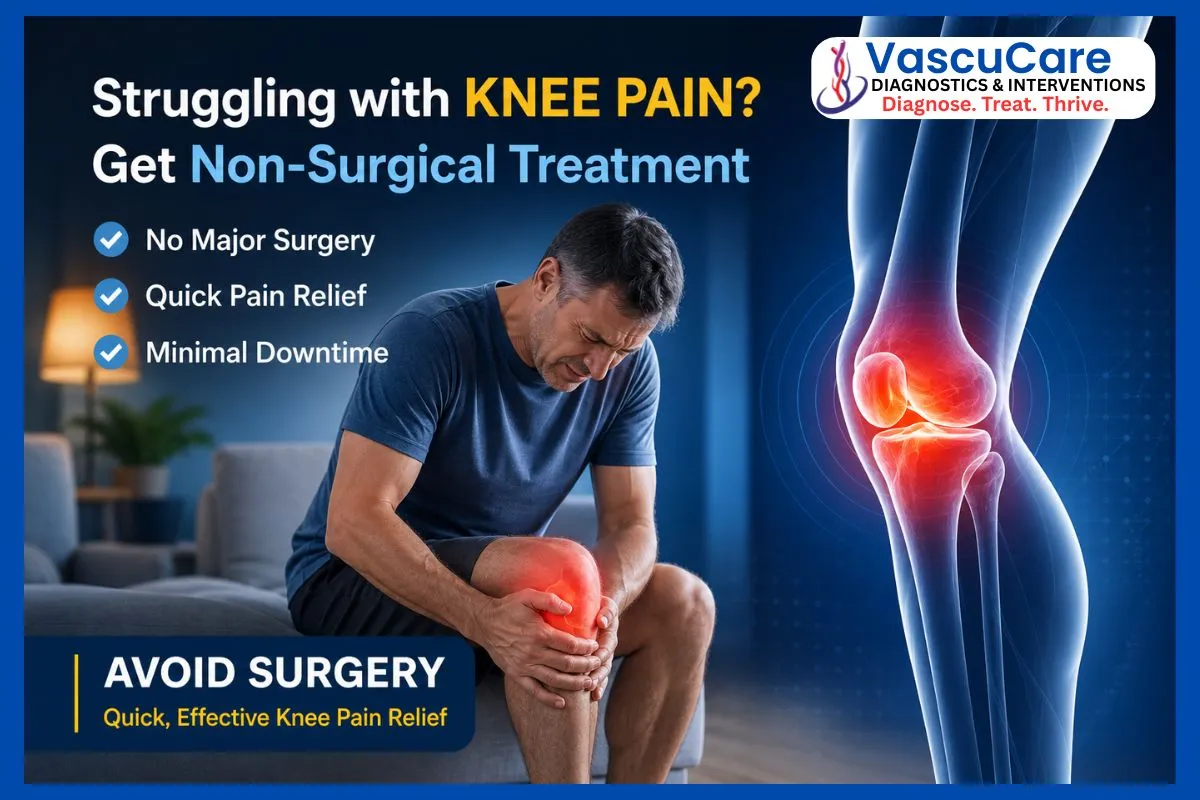
Physiotherapy helps improve knee support by strengthening surrounding muscles. Strong thigh and calf muscles reduce load on the knee joint and improve balance, walking, and flexibility.
A physiotherapy plan may include stretching, strengthening, posture correction, gait training, and activity modification. It works best when done consistently under proper guidance.
4. PRP Therapy for Knee Arthritis
PRP Therapy, or Platelet-Rich Plasma Therapy, is a regenerative treatment that uses the patient’s own blood components. A small blood sample is taken, processed to concentrate platelets, and injected into the affected area.
PRP may be considered for selected patients with early or mild-to-moderate knee arthritis. It may support healing response and reduce inflammation in suitable cases. The American Academy of Orthopaedic Surgeons states that more literature is showing significant effectiveness of PRP in mild to moderate knee osteoarthritis, although patient selection remains important.
5. Genicular Nerve Block for Knee Pain
Genicular Nerve Block is a minimally invasive pain relief procedure for chronic knee pain. The genicular nerves carry pain signals from the knee to the brain. During this procedure, medicine is injected near these nerves to reduce pain signals.
Cleveland Clinic describes genicular nerve block as an injection in the knee that may provide temporary pain relief and is used for chronic knee pain and pain after knee surgery. Results can vary from patient to patient.
This treatment may be useful for patients with knee arthritis who are not getting enough relief from medicines, physiotherapy, or routine injections.
6. Genicular Nerve Ablation for Longer Pain Relief
If a patient gets good relief from Genicular Nerve Block, the doctor may suggest Genicular Nerve Ablation, also called radiofrequency ablation. In this procedure, controlled radiofrequency energy is used to reduce pain signals from the targeted nerves.
Genicular Nerve Ablation does not reverse arthritis or create new cartilage, but it may help selected patients reduce pain, improve walking comfort, and delay surgery when appropriate.
7. Genicular Artery Embolization
Genicular Artery Embolization Doctor In Jaipur, also known as GAE, is an advanced minimally invasive procedure for selected knee osteoarthritis patients. In arthritis, abnormal tiny blood vessels and inflammation around the knee lining may contribute to pain. GAE targets this abnormal blood flow through a catheter-based image-guided procedure.
Recent research describes GAE as a minimally invasive therapy that targets abnormal knee neovascularity and inflammation, with potential benefits in symptomatic knee osteoarthritis. It is generally considered for selected patients, especially those with mild-to-moderate arthritis who are not responding to standard treatment.
8. Knee Replacement Surgery in Advanced Cases
In severe arthritis, where joint damage is advanced and non-surgical treatments no longer provide relief, knee replacement surgery may be advised by an orthopedic surgeon. Surgery may be suitable for patients with severe deformity, major loss of movement, pain at rest, or poor quality of life due to advanced joint damage.
Interventional pain treatments can help many patients delay surgery, but they are not a replacement for surgery when the knee joint is severely damaged.
Who Can Benefit from Interventional Knee Pain Treatment?
You may benefit from advanced knee pain treatment if you have:
• Chronic knee pain due to arthritis
• Pain while climbing stairs
• Pain not improving with medicines
• Difficulty walking long distances
• Mild-to-moderate osteoarthritis
• Pain after knee surgery in selected cases
• Desire to avoid or delay knee replacement
• Poor response to physiotherapy or injections
A proper consultation is necessary to decide the best treatment option.
Why Choose Dr. Rakesh Kumawat in Jaipur?
Dr. Rakesh Kumawat – Best Interventional Radiologist and Pain Management Specialist in Jaipur provides image-guided treatment options for chronic knee pain and arthritis-related pain. At VascuCare Diagnostics & Interventions, patients receive personalized evaluation and minimally invasive care options such as Genicular Nerve Block, Genicular Nerve Ablation, PRP Therapy, and Genicular Artery Embolization.
Patients searching for Knee Pain Treatment in Jaipur, Knee Joint Pain Treatment in Jaipur, or Pain Management Specialist in Jaipur can consult Dr. Rakesh Kumawat for advanced treatment planning.
Conclusion
Knee joint pain due to arthritis can affect daily movement, sleep, work, and quality of life. Early diagnosis and the right treatment plan can help reduce pain and improve mobility. Treatment options may include lifestyle changes, medicines, physiotherapy, PRP Therapy, Genicular Nerve Block, Genicular Nerve Ablation, Genicular Artery Embolization, or surgery in advanced cases.
For advanced knee arthritis pain treatment in Jaipur, consult Dr. Rakesh Kumawat – Best Interventional Radiologist and Pain Management Specialist in Jaipur at VascuCare Diagnostics & Interventions.
FAQs
1. What causes knee joint pain due to arthritis?
Knee arthritis usually occurs due to cartilage wear, joint inflammation, aging, obesity, previous injury, or long-term joint degeneration.
2. Can knee arthritis pain be treated without surgery?
Yes, many patients can manage knee arthritis pain with medicines, physiotherapy, PRP Therapy, Genicular Nerve Block, Genicular Nerve Ablation, or Genicular Artery Embolization, depending on the condition.
3. What is Genicular Nerve Block for knee arthritis?
Genicular Nerve Block is a minimally invasive procedure where medicine is injected near pain-carrying nerves around the knee to reduce pain signals.
4. Is Genicular Artery Embolization useful for knee osteoarthritis?
Genicular Artery Embolization may help selected patients with knee osteoarthritis by reducing abnormal blood flow and inflammation related to pain. Suitability depends on diagnosis.
5. Who is the best doctor for knee arthritis pain treatment in Jaipur?
For image-guided knee pain procedures, patients can consult Dr. Rakesh Kumawat – Best Interventional Radiologist and Pain Management Specialist in Jaipur at VascuCare Diagnostics & Interventions.