
- Apr 22, 2026
- Pain Management
- 0 Comments
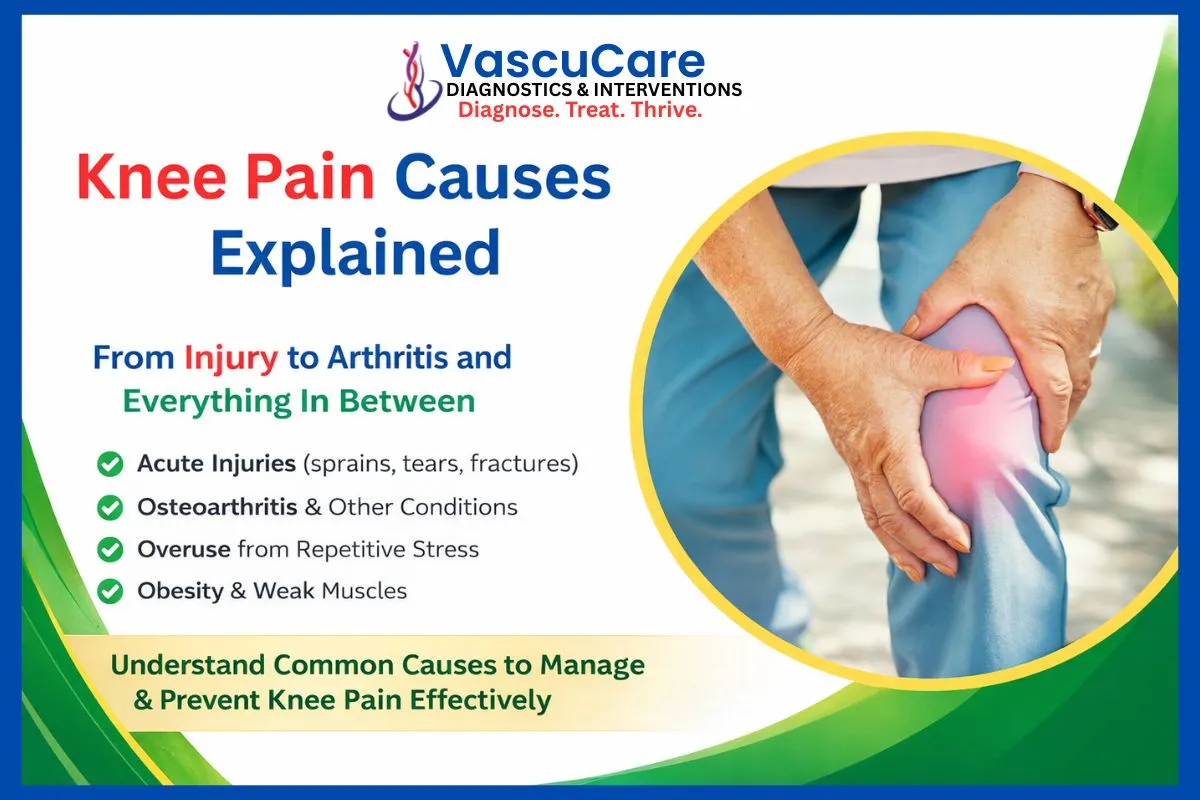
Knee joint pain is one of the most common health issues affecting people of all age groups. Whether caused by aging, injury, lifestyle habits, or medical conditions, knee pain can significantly impact your daily activities and quality of life.
The good news is that with proper understanding, early care, and modern treatments, knee pain can be effectively managed and even prevented.
Experts like Dr. Rakesh Kumawat – Interventional Radiologist and Pain Management Specialist offer advanced, minimally invasive solutions for long-lasting relief when conservative methods are not enough.
What is Knee Joint Pain?
Knee joint pain refers to discomfort, stiffness, or swelling in or around the knee joint. It can occur suddenly due to injury or develop gradually over time due to wear and tear.
Common Causes of Knee Joint Pain
Understanding the cause is the first step toward effective treatment.
1. Osteoarthritis
- Most common in older adults
- Caused by wear and tear of cartilage
- Leads to stiffness and reduced mobility
2. Injury or Trauma
- Ligament injuries (ACL, MCL)
- Meniscus tears
- Fractures
3. Overuse & Strain
- Repetitive movements
- Excessive physical activity
- Improper workout techniques
4. Obesity
- Extra weight increases pressure on knee joints
- Accelerates joint damage
5. Inflammatory Conditions
- Rheumatoid arthritis
- Gout
- Joint infections
6. Poor Posture & Lifestyle
- Long sitting hours
- Incorrect walking patterns
- Weak muscles
Symptoms You Should Watch For
- Persistent knee pain
- Swelling or stiffness
- Difficulty bending or straightening the knee
- Clicking or popping sounds
- Weakness or instability
If symptoms persist, early consultation is important to avoid complications.
How to Prevent Knee Joint Pain
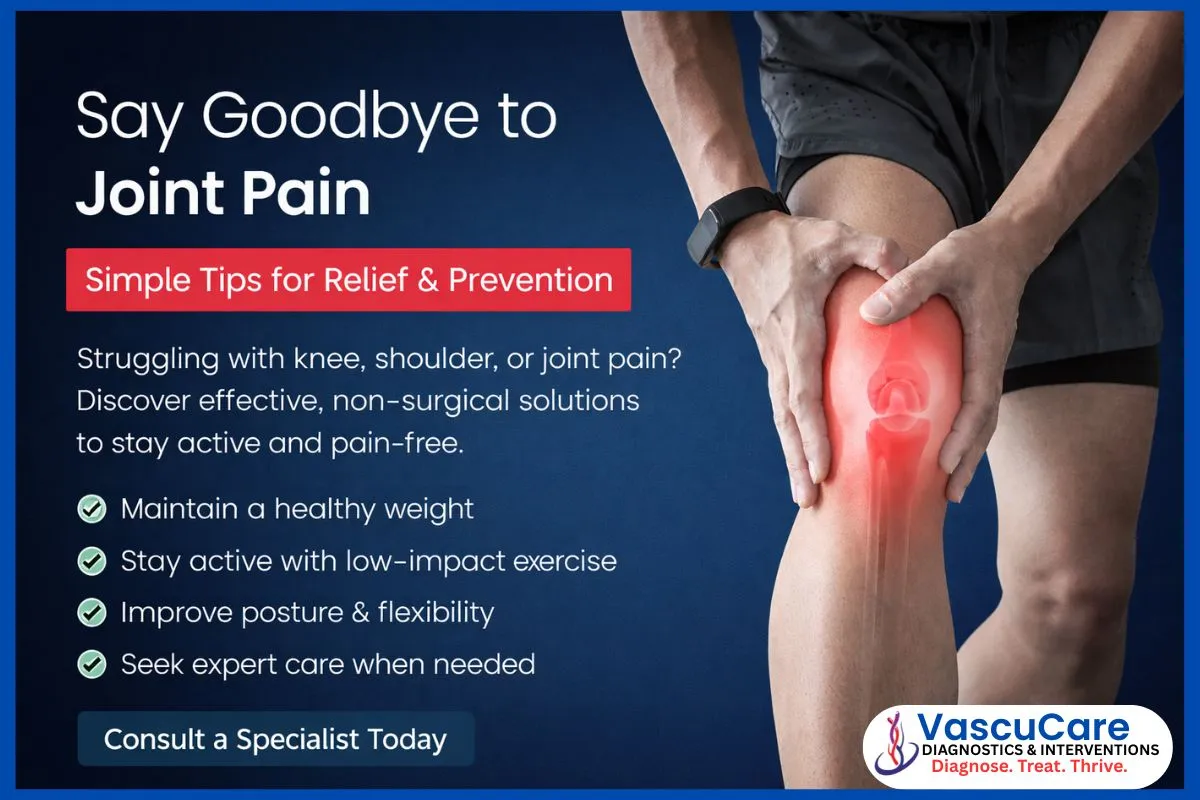
Prevention is always better than treatment. Simple daily habits can make a big difference.
1. Maintain a Healthy Weight
Reducing excess weight decreases pressure on your knees and prevents long-term damage.
2. Stay Active
Regular low-impact exercises like walking, swimming, and cycling help keep joints flexible.
3. Strengthen Muscles
Strong muscles around the knee provide support and reduce stress on the joint.
4. Use Proper Footwear
Supportive shoes improve alignment and reduce strain on knees.
5. Practice Good Posture
Maintain correct posture while sitting, standing, and walking.
6. Warm-Up Before Exercise
Always prepare your muscles and joints before physical activity.
Best Treatments for Knee Joint Pain
Treatment depends on the severity and underlying cause.
1. Lifestyle & Home Remedies
- Rest and activity modification
- Ice therapy to reduce swelling
- Elevation of the leg
- Over-the-counter pain relief
2. Physiotherapy
- Strengthening exercises
- Flexibility training
- Posture correction
3. Medications
- Anti-inflammatory drugs
- Pain relievers prescribed by doctors
4. Advanced Non-Surgical Treatments
Modern medicine offers highly effective, minimally invasive options:
- • Ultrasound-guided injections for targeted pain relief
• Platelet-Rich Plasma (PRP) therapy for tissue healing
• Nerve blocks for chronic pain management
• genicular nerve block
• genicular Artery embolization
• PRP therapy
• Genicular Nerve ablation
Specialists like Dr. Rakesh Kumawat – Interventional Radiologist and Pain Management Specialist use image-guided techniques to ensure precision and faster recovery.
5. Surgical Options (If Required)
In severe cases:
- Arthroscopy
- Partial or total knee replacement
These are considered when other treatments fail.
When Should You See a Doctor?
Consult a specialist if:
- Pain persists for more than a few weeks
- Swelling or stiffness worsens
- You have difficulty walking
- Knee feels unstable
- Pain affects daily life
Early treatment helps avoid long-term damage.
Conclusion
Knee joint pain can affect your mobility and daily routine, but it is manageable with the right approach. By understanding the causes, adopting preventive habits, and choosing the right treatment, you can maintain healthy and pain-free knees.
If your pain persists, consulting an expert like Dr. Rakesh Kumawat – Interventional Radiologist and Pain Management Specialist ensures access to advanced, non-surgical treatments and effective long-term relief.
Take care of your knees—they carry you through life.
Take care of your knees—they carry you through life.
Frequently Asked Questions (FAQs)
1. What is the most common cause of knee joint pain?
Osteoarthritis is the most common cause, especially in older adults, due to gradual wear and tear of joint cartilage.
2. Can knee pain go away on its own?
Mild knee pain may improve with rest and care, but persistent pain requires medical evaluation and treatment.
3. Is exercise good for knee pain?
Yes, low-impact exercises help strengthen muscles and improve joint flexibility, reducing pain over time.
4. Does weight affect knee pain?
Yes, excess weight increases pressure on the knee joints and can worsen pain and joint damage.
5. When should I see a doctor for knee pain?
If pain persists, worsens, or affects mobility, it is important to consult a specialist promptly.
6. Are non-surgical treatments effective?
Yes, many patients find relief through physiotherapy, injections, and minimally invasive procedures.
7. Can knee pain be prevented?
Yes, maintaining a healthy lifestyle, proper exercise, and posture can significantly reduce the risk.
8. What foods help joint health?
Foods rich in calcium, vitamin D, and omega-3 fatty acids support joint strength and reduce inflammation.
9. Is surgery always required for knee pain?
No, surgery is only recommended in severe cases when other treatments fail to provide relief.
10. Who should I consult for knee pain?
A specialist like Dr. Rakesh Kumawat – Interventional Radiologist and Pain Management Specialist for advanced and non-surgical treatment options.