Address : Near Chitrakoot Stadium, Vaishali Nagar Jaipur

Uterine Artery Embolization (UAE) in Jaipur

Non-Surgical Treatment for Fibroids, Adenomyosis, PPH, AUB & Uterine AVM

Women do not always consider the prevalence of uterine health problems. Some common signs include heavy menstruation, cramping, feeling of pressure, a heavy feeling low in the abdomen, constant urination, and tiredness. These can become a part of everyday life before one ever realizes the potential causes of such complications. Some common causes include uterine fibroids and adenomyosis. Uterine bleeding can also become an urgent concern during a labor procedure to deliver a baby. In the past, the primary solution has always been considered to be a surgical procedure. However, with the advent of minimally invasive treatment, this has helped shape a new face of treatment.


One of the most advanced and best non-surgical techniques is referred to as the Uterine Artery Embolization (UAE) technique. This technique of treatment does not require surgeons to cut through large incisions. Instead, it aims at cutting down on the flow of blood to the tissues causing the problems. This technique makes it possible to reduce the sizes of abnormal tissues such as fibroids while at the same time gaining some control over bleeding. In search of a UAE expert in the Jaipur vicinity? You should look for a medical expert who is skilled in image-guided vascular procedures and also has extensive knowledge of the uterine and pelvic vascular systems.


At VascuCare Diagnostics & Interventions, the procedure is carried out by Dr. Rakesh Kumar Kumawat, a Consultant in Vascular & Interventional Radiology, known for providing accurate, minimally invasive medical treatment. The overall philosophy is based on accurate diagnosis, proper patient selection, technique, pain relief, and planning, so that the patient feels comfortable from the time of consultation through treatment.

Uterine Artery Embolization(UAE)

Why UAE Is Different From Surgery

This usually involves removing fibroids and/or abnormal uterine tissue using larger incisions, often involving the removal of the uterus in some cases. This isn’t how Uterine Artery Embolization works. This medical intervention works differently from the above procedures and processes, related to how the problem area gets its blood supply. Fibroids and abnormal uterine tissue that cause problems must be supplied with an adequate supply of artery blood to remain ‘active.’ Dialing this back to an appropriate level controls and often shuts off problematic tissue from causing as many symptoms, often controlling bleeding too.


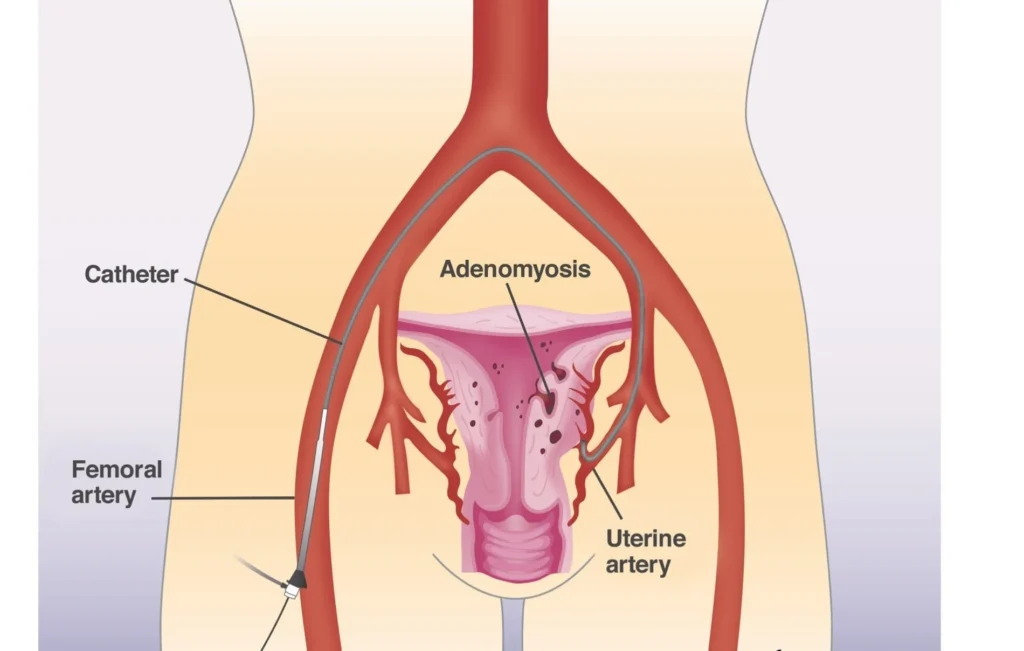
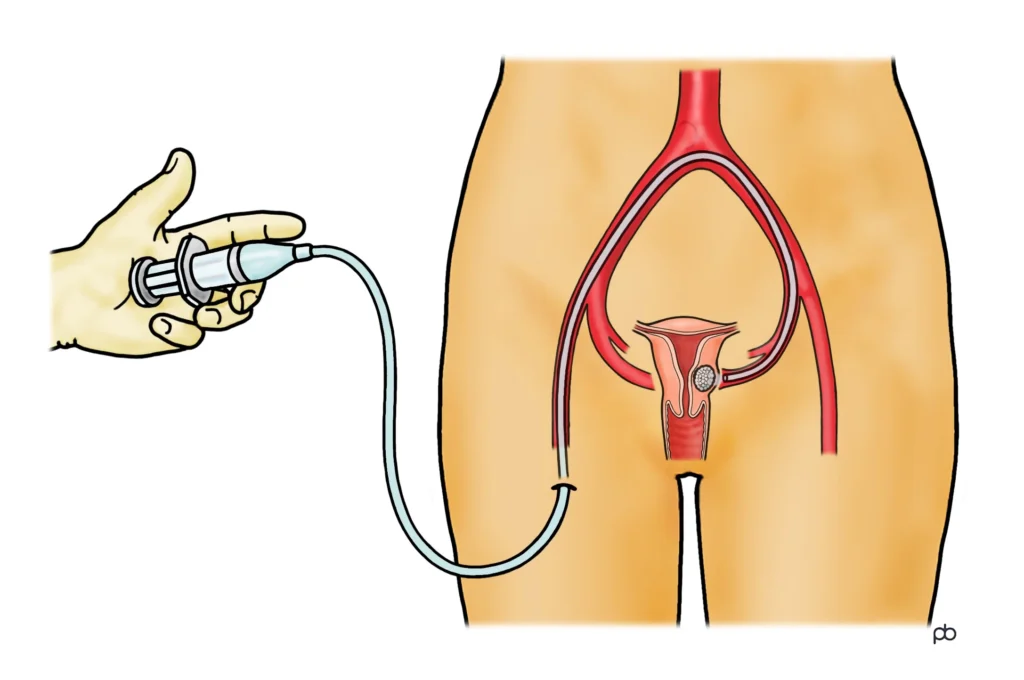
The process involves a minor prick, usually in the groin area and the wrist. Doctors manipulate a narrow catheter through the blood vessels, and the process is monitored in real-time. Since the injuries are not extensive, women prefer UAE when the option becomes feasible and they wish to maintain their uterus.

Uterine Artery Embolization Specialist in Jaipur

UAE is carried out by a Vascular & Interventional Radiologist—an imaging-guided expert who specializes in performing minimally invasive procedures. The skill levels matter in this case, as the whole process depends on how well the catheters are manipulated and the uterine artery branches are embolized, yet the healthy tissues remain intact.


Dr. Rakesh Kumar Kumawat at VascuCare Diagnostics & Interventions uses a set of steps in his clinical pathway. First, there is the evaluation of the patient, followed by the patient-specific planning of the procedure, and finally, the guidance provided in the course of patient recovery. This methodology helps in the effective provision of UAE to those in society who are likely to benefit.

What Is Uterine Artery Embolization (UAE)?

UAE is a minimally invasive, image-guided procedure that involves the reduction of blood flow to the uterine arteries. The exact tissue causing symptoms, such as fibroids, abnormal bleeding sources, or unusual blood vessel formations, is targeted with the aim of relieving the problem while retaining the uterus.


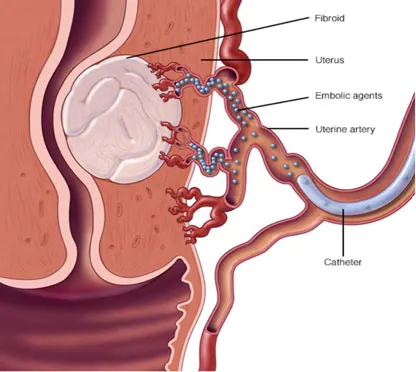
During UAE, small, medical-grade embolic particles are delivered through a catheter into the uterine arteries. These particles plug up the tiny branches that feed the problematic area. As time goes on, the targeted tissue tends to shrink, and the patterns of bleeding often improve. When UAE is used specifically for fibroids, it’s commonly called Uterine Fibroid Embolization, though the method and idea behind it really stays the same.

Working With an Obs & Gyn Team

In most cases, women seek an Obstetrician & Gynecologist’s help when they are experiencing heavy bleeding, pelvic pain, difficulties with conception, or when an abnormal scan is detected. If the diagnosis reveals the presence of fibroids or adenomyosis, the option of UAE can always be considered, which can save the uterus. It is always best to plan your UAE procedure with the active collaboration of a gynecologist and an interventional specialist. This is because an uninformed and uncollaborative choice might not always correspond to your needs.

Uterine Artery Embolization (UAE)

What UAE Is Used For

UAE is used when interruption of blood flow can effectively treat the underlying cause of the symptoms. UAE excels when the selection of patients is carefully planned based on symptoms, images, and more.

UAE for Fibroids

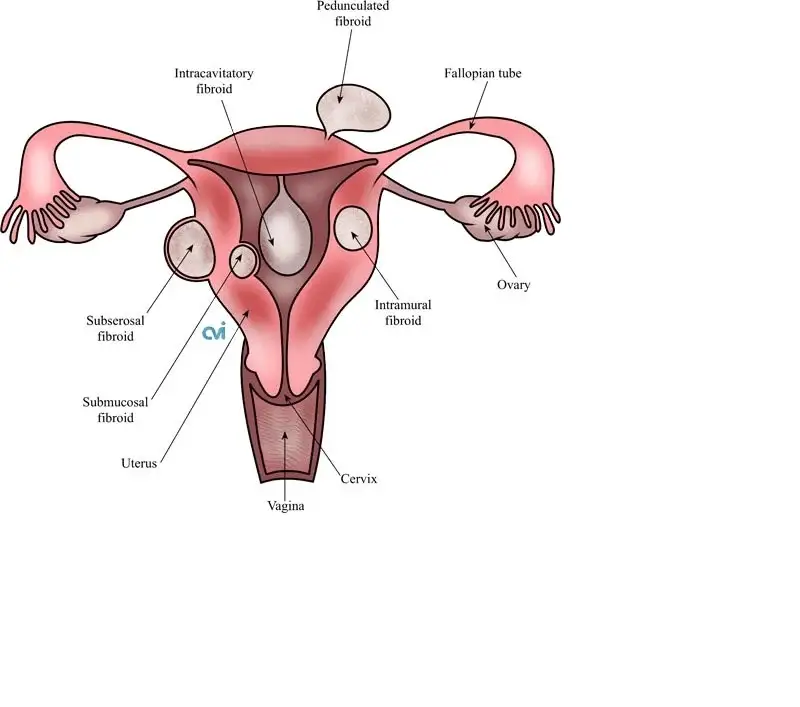
UAE is also used to treat uterine fibroids, which are benign growths that can be inside the uterus or the wall of the uterus or even on its surface. These growths are known to cause heavy bleeding; pressure in the pelvis; abdominal distension; pain; increased urination; constipation; and anemia from blood loss.

The technique works by restricting the blood supply to the fibroids so they shrink and alleviate the pain.

UAE for Adenomyosis

In some instances, UAE can provide relief for adenomyosis, which is characterized by the invasion of endometrial tissue into the uterine wall’s muscular layer. With adenomyosis, women commonly complain of painful and heavy periods, as well as chronic pelvic pain. By reducing blood flow, UAE can ease inflammation-related symptoms and relieve painful periods.

UAE for Postpartum Hemorrhage (PP Postpartum hemorrhage, also called heavy uterine bleeding following childbirth, can be life-threatening. UAE can stop uterine bleeding if a hospital is well-equipped for it and can save lives, especially if surgery is associated with a high risk and fertility preservation is a priority. This procedure should be performed in a place where emergency resources, imaging facilities, and expertise are readily available for emergency procedures like UAE for PPH. UAE for Abnormal Uterine Bleeding (AUB Abnormal uterine bleeding is essentially irregular, heavy, or consistent and/or unplanned vaginal bleeding that does not correspond to the normal menstrual cycle. In situations where AUB is related to uterine or vascular causes and is identified through examination and imaging, UAE is potentially considered to control the uterine blood vessels, particularly if the medications are not effective. UAE for Uterine Arteriovenous Malformation (U A uterine AVM is a disorder of abnormal vascular connections between the uterine artery and vein, which results in sudden, heavy bleeding. A minimally invasive procedure such as UAE is generally considered among the most effective solutions to this disorder, as it eliminates the possibility of bleeding without requiring extensive surgical intervention.

Uterine Artery Embolization (UAE)

How Uterine Artery Embolization Works

Sometimes people want to know what really happens during the UAE procedure. The concept is simple, while the process is specialized. The concept is to cure the root cause by pressing the blood flow.


The process typically starts off with an in-depth consult and symptom discussion. They will consider your pattern of bleeding, previous pain, anemia indicators, and overall health. In addition, imaging tests such as ultrasound, and sometimes an MRI, may be used to confirm the condition while assessing the uterus and blood vessels. If the case presents with an active bleeding condition, the process can then become more immediate, depending on your condition and the severity of the case.


As UAE is planned, your history of medications is reviewed and you are also informed how to take the medications and whether any fasting is required before the procedure. On the planned date, a small nick is made in either the groin area or wrist. A catheter is now advanced to the uterine arteries. A reduced blood flow is generated by small particles. In fibroid-related conditions, the fibroids are reduced in size. For conditions involving bleeding, the bleeding is controlled.


Once this process of embolization is complete, the catheter is withdrawn, and the puncture site is closed. You’ll be monitored for pain level and any other issues. When you can return home depends on your pain level and the hospital’s policy— discharged the same day in some cases and for a short stay in other cases.

Benefits & Recovery After UAE

The UAE is preferred since it encompasses a strong mix of being efficient and conducive for easier recovery among qualified patients. The process is minimally intrusive, avoiding large incisions, and is considered uteruses-sparing. The intervention can also treat multiple fibroids in a single session, where the downtime needed is shorter compared to a major surgery. Additionally, life becomes better for many patients since discomfort, heavy bleeding, and pain decrease over time.

Cramping is normal, akin to strong period pain, usually during the first 24-48 hours. Pain and nausea are relieved by medicines. Some may feel weak and may experience flu-like symptoms for a short while. Resumption of very light activities may be possible within a few days. Resumption of work depends on the nature of work, pain threshold, and individual recovery. Additional rest days may be necessary for individuals in physically demanding work.

Does UAE Really Work?

For some patients, however, UAE can be very effective, especially if undertaken for specific and well-selected patients. The procedure works directly on an underlying cause of many problems with the uterus. This cause is an abnormal amount of blood flow to affected areas of concern in the uterus. In literal terms, many patients find that they experience less cramping and bleeding, and that menstrual cycles come closer to regularity, less pressure from fibroids shrinking away, and an overall feeling of wellness and comfort without any interference from such uterus problems.


The key to achieving good results lies in an accurate diagnosis and the right selection of patients. There are reasons to believe that not all uterine symptoms are necessarily caused by diseases treatable by this procedure.

Who May Need UAE?

You are a suitable candidate for UAE if you are experiencing anything like heavy bleeding, clots in the blood, long or frequent periods, anemia, pressure in the pelvis, frequent urination, constipation, pain in the pelvis, or if your abdomen is enlarged due to fibroids. In cases where adenomyosis is causing symptoms, UAE can be considered if imaging supports it. In other urgent cases like postpartum hemorrhages, UAE can be used to control bleeding if it is clinically appropriate and the facilities are available. Discomfort from other conditions that may result from other surgeries also makes women seek UAE rather than hysterectomy or other surgeries.

How to Prepare for UAE

Preparation will typically begin with an examination of the images to not just verify the diagnosis, but also to verify the anatomy, particularly since this is quite vital for the procedure. Blood tests might be required to check your hemoglobin levels and state of preparedness. Your medication list will be strictly checked, and you might need to stop your medication before the procedure. If sedation is administered, you would be required to abstain from food before the procedure. Instructions will be provided on arrival times and the necessary measures to take to enhance your rest after the procedure. Setting up a conducive rest environment after the surgery at home might greatly enhance the recovery process, along with the pain management necessitated by the procedure.

Why Choose Dr. Rakesh Kumar Kumawat at VascuCare Diagnostics & Interventions?

Finding the ideal Uterine Artery Embolization (UAE) specialist in Jaipur isn’t just an issue of who is available, but of precision, safety, thorough planning, and organization. Uterine artery embolization is indeed an interventional procedure with catheter skills, an in-depth knowledge of pelvic vessels, and an aptitude for tailoring procedures.


Additionally, Dr. Rakesh Kumar Kumawat believes in the human aspect when treating you at VascuCare Diagnostics & Interventions, providing a consult based on your clinical presentation, a procedure developed to ensure your comfort, safety, and satisfaction, along with a plan for your pain management and progress, while reviewing the progress towards recovery with you during follow-ups. To all women out there looking for non-surgical treatments for fibroid, adenomyosis, or uterine bleeding, a consult would be the ideal step for you!

Uterine Artery Embolization(UAE)

15+ Years of Experiences for Give You Better Results.

At Texvista Paints, our 15+ years of experience ensure superior results for every project. Trust our expertise to bring lasting beauty and quality to your home or business. Discover the difference experience makes with Vista Paints today!

title icon
Fill Details and

Book Your Appointment

For Appointments & Consultation: Kindly fill out form or contact us at (+91) 88900 28272. Our team will get back to you within 24 hours.

    title icon
    Common

    Frequently Asked Questions

    A minimally invasive procedure that uses images to help lower blood flow in uterine arteries to relieve some uterine conditions.

    The more common term for UFE when UAE is specifically referred to in relation to uterine fibroids is UFE. The techniques are related.

    A Vascular & Interventional Radiologist does it. At VascuCare Diagnostics & Interventions, Dr. Rakesh Kumar Kumawat does it.

    UAE may be employed for the treatment of fibroids, some instances of adenomyosis, uterine arteriovenous malformation (AVM), and as a measure to prevent severe uterine bleeding such as postpartum hemorrhage and other irregular bleeding due to abnormal uterine bleeding.

    Cutting off the blood supply to the fibroids, these tissues shrink, which can relieve the symptoms.

    UAE in selected patients, where imaging findings may be supportive, could decrease heavy bleeding and pelvic pain.

    In well-equipped hospitals, UAE can be used to treat severe postpartum bleeding in selected cases.

    Cramping is common during the first 48 hours following the procedure, and this is treated with medication.

    Most women are able to resume light activities in a matter of days and return to usual activities in about 1-2 weeks, depending on the extent of the job demands.

    Most of the time, yes. UAE is a uterus-sparing procedure, and most women choose the option based on that.

    Preparation also includes consulting with the doctor, reviewing imaging, blood tests, reviewing medication, and following fasting and admission instructions, if necessary.

    Temporary cramping, fatigue, fever, nausea, and/or discharge are possible. Like all medical interventions, there are risks, and these are minimised by seeking an experienced practitioner’s services and adhering to their advice on after-care.

    Call Now Whatsapp