At VascuCare Diagnostics & Interventions | Dr. Rakesh Kumar Kumawat
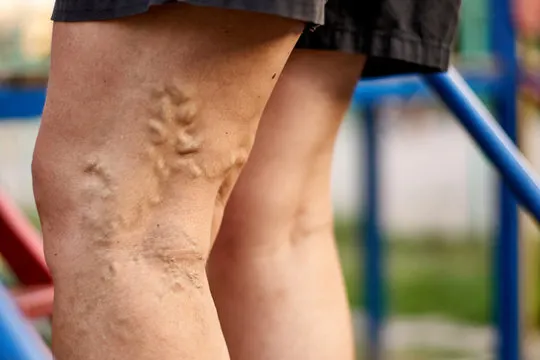
If you are looking for a varicose vein doctor in Jaipur this probably means your legs are trying to tell you something. You might have started to see big blue veins sticking out or your legs feel heavy by the end of the day. You could also have swelling in your ankles. You might feel itchy or like your legs are burning. Sometimes you get cramps that keep you awake at night. For a lot of people varicose veins start as something that bothers them because of the way they look. After a while they become a problem that affects how they feel and how easily they can move around. Varicose veins can be an issue, for people and that is why they go see a varicose vein doctor in Jaipur to get some help with their varicose veins. When you are walking and it feels really tiring or when you are standing and it becomes painful or when the swelling in your legs just keeps coming that is when you need to see a doctor for a good check up. This is because varicose veins are often linked to the failure of the valves and the backflow of blood it is not just, about the veins that you can see on the surface of your skin. Varicose veins can be a problem and the vein valve failure is a big part of it.
At VascuCare Diagnostics & Interventions, Dr. Rakesh Kumar Kumawat provides modern, imaging-guided treatment for varicose veins using minimally invasive methods. The focus is simple: identify the real cause with Doppler ultrasound, treat the faulty vein safely, and help you recover quickly with a plan that fits your routine.
Why seeing a varicose vein specialist matters
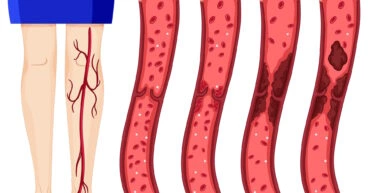
Many people use creams, oils, massage and tablets to try and get rid of the swelling and pain. These things might make them feel a little better for a time.. They do not fix the real problem. The real problem is when the valves inside the veins do not work properly. When this happens it is called reflux. Reflux causes pressure to build up in the veins in the legs. Over time this can cause veins to appear and the legs can swell. The skin can also get irritated and discolored. Sometimes wounds can even form near the ankle, which’s very painful. The swelling and pain from problems can be very uncomfortable and the veins can become very visible which is why people try to find ways to get rid of them. Vein problems are an issue that can cause a lot of discomfort and the valves, inside the veins are a big part of the problem.
A varicose vein specialist in Jaipur looks beyond what you can see. The goal is to find which vein is leaking, where the backflow starts, and how severe the disease is. This is important because treating only the surface veins without fixing the reflux source is one of the common reasons symptoms return.
Varicose vein clinic in Jaipur: VascuCare Diagnostics & Interventions
If you are looking for a varicose vein clinic in Jaipur you want a place that takes care of everything. They should check what is wrong, with you treat you and then check on you again. At VascuCare Diagnostics & Interventions they usually start by asking you about the problems you have every day and what you do at work like if you stand all day travel a lot or sit for hours. Then they use a machine called Venous Doppler or Duplex ultrasound to look at the varicose veins and find out where the problem is.
Based on Doppler findings, Dr. Rakesh Kumar Kumawat recommends the most suitable non-surgical approach—such as Laser (EVLT), RFA, glue therapy, or sclerotherapy—depending on your vein anatomy and stage. The idea is to treat the root cause and reduce the chance of recurrence.
Signs you should not ignore
You should not worry about every vein that you can see but there are some signs that you should pay attention to. If these signs get worse over time you need to see a doctor. For example if your legs feel heavy or you have a lot of pain after standing for a time or your ankles get really swollen by the end of the day or you get itchy or burning feelings around your veins or you get cramps in your legs at night a lot you should go get checked out.
Changes in your skin are a deal. If you notice dark spots near your ankles or your skin gets really dry or it gets thick and hard or you get red and irritated skin like you have eczema this usually means that the problem, with your veins is getting worse. A wound near the ankle that heals slowly or keeps returning often suggests advanced venous disease. Sudden pain, redness, and a hard cord-like vein can indicate vein inflammation and needs medical attention.
Varicose vein stages (why early treatment helps)
Varicose veins often progress step by step. Early stages may include heaviness, mild swelling, or spider veins. As the problem increases, bulging veins become more visible and symptoms become frequent. Later stages can involve persistent swelling, skin pigmentation, eczema, thickened skin, and in some cases venous ulcers. The earlier reflux is treated, the easier it is to prevent complications and long-term skin damage.
Why varicose veins happen
The main reason for this problem is that the valves in the veins are not strong. The veins in the legs have to work to push the blood up to the heart because of gravity. When these valves get weak the blood does not go up like it should it goes down and stays there. This makes the pressure in the vein go up. It slowly gets bigger and gets all twisted. The valves in the leg veins are the key to this issue. When the valves in the leg veins are weak the blood, in the leg veins pools and that is what causes the problem.
Some people are more likely to develop varicose veins due to family history. Other common risk factors include long hours of standing or sitting, weight gain, pregnancy, low physical activity, and aging. In some cases, previous vein injury or clot history can also affect vein function. Understanding the cause helps choose the right treatment instead of temporary symptom control.
How varicose veins are diagnosed properly
The most important test is Venous Doppler (Duplex Ultrasound). It is not a formality—it’s the backbone of correct treatment planning. Doppler helps identify which vein is leaking, how severe the reflux is, and whether the great saphenous vein (GSV), small saphenous vein (SSV), or other segments are involved. It also helps rule out clot-related concerns and guides the choice between laser, RFA, glue therapy, or sclerotherapy.
Non-surgical varicose vein treatment options in Jaipur
The treatment they use now is to close the vein so the blood goes through the good veins instead. They do this with a kind of procedure that does not hurt too much and people can get better faster than they used to, with the old way of doing surgery. This way of treating the disease is really good because it helps people recover quickly. The doctors are very careful when they do this procedure on the vein.
The laser treatment, which is also known as EVLT or EVLA is a procedure that uses a fiber inside the vein to seal it from the inside. This treatment is often used for refluxing veins. The laser treatment has good results when it is planned with the help of Doppler. The laser treatment is a choice, for people who have refluxing saphenous veins and want to get rid of them.
The doctor uses radiofrequency ablation to fix the vein. Radiofrequency ablation works by using heat to close the vein. This heat is delivered through a tube called a catheter. A lot of people who have radiofrequency ablation say it does not hurt much and they can get back, to normal quickly. Radiofrequency ablation is a way to fix the faulty vein because it is comfortable and people can recover from it easily.
Glue therapy is a way to treat a vein. It uses a kind of glue to close the vein. This glue is an adhesive. It does not use heat to close the vein. This treatment can be a choice, for some people. It depends on the way their veins are laid out and what the doctor thinks is best. The doctor will look at the pattern and decide if glue therapy is a good option. Glue therapy is used for selected cases.
Sclerotherapy is usually used to treat veins or spider veins. This treatment is often done after the main problem with the veins is fixed. Sclerotherapy helps with the symptoms of spider veins. It also makes them look better when it is used on the right people. Sclerotherapy is an option, for people who have smaller veins or spider veins that they want to get rid of.
The best varicose vein doctor in Jaipur will not “force” one method for everyone. The right approach depends on Doppler findings, symptoms, vein size, and your daily routine needs.
What recovery usually looks like
When people get invasive treatments they can usually move around soon after. Walking is a thing to do because it helps the blood flow better. Doctors tell some patients to wear compression stockings for a while depending on what treatment they had and how bad it was. For a time it is best to avoid doing really hard exercise and standing for too long without taking a break. The doctor may want to do a follow-up Doppler test to make sure the vein is closed and the invasive treatments are healing like they should.
Many people return to work quickly if their job is not physically heavy. Your exact recovery plan should be based on your procedure and health profile.
What happens if varicose veins are left untreated
Untreated varicose veins can turn into chronic venous insufficiency over time. Symptoms may expand from occasional heaviness to persistent swelling and skin irritation. In more advanced stages, skin darkening and thickening near the ankle can appear. Venous ulcers can develop and are often slow to heal unless reflux is treated. Some people also experience recurrent painful inflammation episodes in superficial veins. This is why timely diagnosis and treatment are important—especially when skin changes start.
Why choose Dr. Rakesh Kumar Kumawat at VascuCare Diagnostics & Interventions
Choosing a varicose vein doctor is not only about closing a vein—it’s about getting the diagnosis right, selecting the correct technique, and planning follow-up so results last. At VascuCare Diagnostics & Interventions, Dr. Rakesh Kumar Kumawat provides Doppler-based planning and modern minimally invasive options designed to reduce downtime and improve long-term comfort. Patients also receive guidance on walking, activity, compression (if needed), and prevention strategies to support healthy vein function.
Exercises that support varicose vein care
Exercise cannot “remove” varicose veins once valve failure is present, but it can reduce symptoms and support circulation. Walking is one of the best habits because the calf muscles act like a pump. Simple ankle pumps, calf raises, and gentle stretching help reduce heaviness. Leg elevation for a few minutes during the day can reduce ankle swelling, especially for people with standing or sitting jobs. Low-impact activities like cycling and swimming are also helpful for long-term vein health.
Medicines for varicose veins: what they can and can’t do
Many patients ask for the best medicine for varicose veins. Medicines may reduce pain, cramps, swelling, and skin irritation for some people, but they do not repair faulty valves or permanently stop reflux when a major vein is incompetent. In cases with significant reflux on Doppler, long-term relief usually comes from a procedure (laser/RFA/glue) along with lifestyle measures. Medicines are supportive—not a permanent cure—when the root cause is valve failure.
For Appointments & Consultation: Kindly fill out form or contact us at (+91) 88900 28272. Our team will get back to you within 24 hours.
For varicose vein treatment in Jaipur, you should consult a specialist such as a vascular surgeon or an interventional radiologist who is experienced in treating vein conditions. These doctors use ultrasound machines to check blood flow and provide modern, minimally invasive treatments that do not require large cuts.
The best test to confirm varicose veins is usually a kind of test. The test that doctors like to use to confirm varicose veins is the one.
The key test to find out if you have reflux and to plan the treatment is the Venous Doppler, which is also known as Duplex ultrasound. This test is very important, for checking the Venous Doppler and seeing what is going on with the reflux. The Venous Doppler test helps doctors figure out the way to treat the reflux.
They can cause a lot of problems. For example they can cause pain and swelling. Sometimes they can even change the way the skin looks. They can also cause ulcers and inflammation if they get worse.
Laser (EVLT), Radiofrequency Ablation (RFA), glue therapy, and sclerotherapy—selected based on Doppler findings.
Most medical procedures are done with anesthesia and people can handle them pretty well. The local anesthesia really. That is why most procedures are not so bad.
Many patients get back, to their routine really fast. The exact time it takes for them to do this depends on the kind of procedure they had and the type of job they do.
Varicose veins can come back. This is because the problem that caused the varicose veins is still there. Varicose veins can come back in the vein or, in other veins. People who have had varicose veins before are more likely to get veins again. Varicose veins are a problem and they can come back.
The risk of reflux happening again goes down when the thing that is causing the reflux is treated the way. However it is possible for new veins to develop over time. The reflux risk decreases when the source of the reflux is treated correctly. New veins can still develop over time.
These things help with the symptoms of valve failure. They do not actually fix the problem. The treatment is like a support system, for people who have valve failure. Valve failure is still there. The treatment helps people deal with the symptoms of valve failure.
You should think about treating your varicose veins when they really bother you. This is because varicose veins can be very painful and uncomfortable. If your varicose veins are making your life difficult it is time to do something about them. You should treat your varicose veins when you notice that they are getting worse. For example if your varicose veins are causing a lot of pain or swelling in your legs you should think about treating your varicose veins. Treating your varicose veins can make a difference, in how you feel. It can help you to feel and it can also help you to look better. So you should treat your varicose veins when you feel that it is necessary to treat them.
You should get help early especially if you have swelling or skin discoloration or itching or wounds. It is very important to take care of the issue early. If you have wounds you should see a doctor early.
If I just ignore my varicose veins what will happen to them. My varicose veins will not go away on their own. Ignoring my varicose veins can make them worse over time. My varicose veins can cause problems. I should do something, about my varicose veins.
They can worsen and may lead to skin changes, ulcers, and recurring pain/inflammation.
Copyrights © 2023 All Rights Reserved by VascuCare Diagnostics & Interventions