Address : Near Chitrakoot Stadium, Vaishali Nagar Jaipur

Knee Pain Doctor in Jaipur — Expert Knee Pain Relief with Dr. Rakesh Kumar Kumawat

Knee Pain Specialist in Jaipur | Non-Surgical Knee Pain Treatment | Faster Relief, Better Mobility VascuCare Diagnostics & Interventions, Jaipur

Knee pain is something that a lot of people deal with. It can start as a hurt when you are climbing stairs. Sometimes you might feel stiff after sitting for a time. You might feel a sharp pain after you have been walking for a while. Over time this little problem can become an issue. It can make it hard to squat down. You might not feel as confident when you are walking. It can even keep you up at night and make you need to take painkillers all the time. Knee pain can really affect your life and make you depend on knee pain relief more often than you want to. A lot of people in Jaipur think that knee pain is something that happens when you get older. The thing is, knee pain that does not go away usually has a reason behind it. If we can figure out what is causing the knee pain then we can often find a way to make it feel better without having to have surgery on the knee pain. If you are looking for a Knee Pain Doctor in Jaipur or a Knee Pain Specialist in Jaipur you are probably looking for two things: a diagnosis and a plan that actually improves your day to day mobility with the help of a Knee Pain Doctor in Jaipur. The good news is that Knee Pain care today has moved beyond just resting and taking tablets and waiting for the Knee Pain Specialist in Jaipur to help you. At VascuCare Diagnostics & Interventions, patients can explore modern evaluation and non-surgical options—especially when pain is limiting routine life, physiotherapy alone isn’t enough, or you want a minimally invasive approach with quicker recovery.

Knee Pain

Why knee pain happens (simple explanation)

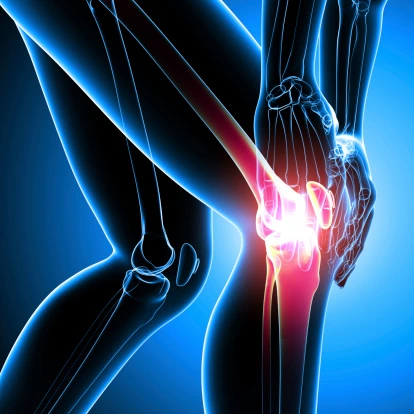
Knee pain is not one thing. It is a symptom that can happen because of different problems inside and around the knee joint. For a lot of people knee pain is caused by knee osteoarthritis. This is when the cartilage in the knee joint gets thinner and thinner and it gets inflamed. Some people have injuries that cause knee pain, like tears in the meniscus or strained ligaments or irritated tendons. Sometimes knee pain happens because people have gained weight or have muscles, in their thighs. Knee pain can also happen because of the things people do every day. For example climbing stairs a lot or standing for a time or squatting down can cause knee pain. Doing work can also cause knee pain. Sometimes the knee can hurt because of a problem with arthritis or pain from the lower back. The pain from the back can feel like it is, in the knee so it is really important to figure out what is actually going on with the knee. This is why correct assessment of the knee problems matters because knee problems need to be diagnosed.

In Jaipur, common lifestyle factors like long working hours, limited regular exercise, extended standing jobs, and excess body weight often combine and worsen knee stress. The right treatment depends on whether your pain is mainly wear-and-tear, inflammatory, injury-related, or a combination.

Signs you should consult a knee pain specialist in Jaipur

A specialist consultation is recommended when knee pain lasts for weeks, keeps returning, or starts affecting your confidence to walk. You should also seek evaluation if you notice stiffness after sitting, swelling that comes and goes, pain while climbing stairs, cracking sounds with discomfort, weakness or instability, or pain that interrupts sleep. Another common sign is when painkillers and repeated home remedies give only short relief. Early diagnosis often helps prevent the cycle of reduced activity → weakness → more pain.

What a knee pain doctor does differently

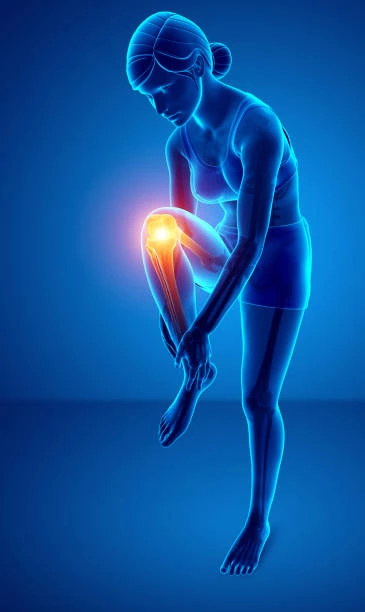
People usually start with treatment for knee pain.. When the pain in your knee does not go away you need to do something more specific. A specialist who deals with knee pain will try to find out what is really causing the pain in your knee. Is it the surface of the joint. Is it because of inflammation or maybe it is the cartilage or meniscus or is it a strained ligament or is it because of nerves. Once the specialist figures out what is causing the knee pain they will make a plan to help you feel better away and also to help you move better over time. The plan is made to balance stopping the knee pain and making sure you can move your knee well in the long run. Knee pain specialists are good, at finding the cause of knee pain and making a plan that works for you and your knee pain. So the doctor will look at the X-ray or the MRI if that is needed. The doctor will then tell you what kind of physiotherapy you should do, not any exercises. The doctor will also talk to you about options that do not involve surgery if the other care is not helping you feel better. The doctor wants to make sure you get the treatment for your symptoms and that you get relief from your symptoms. The doctor will discuss -surgical options, for your symptoms if the conservative care for your symptoms is not working.

At VascuCare Diagnostics & Interventions, the emphasis stays on structured care—clear diagnosis, realistic options, and a recovery plan that fits real life.

Dr. Rakesh Kumar Kumawat — Knee Pain Doctor in Jaipur (Minimally Invasive, Diagnosis-First Care)

Dr. Rakesh Kumar Kumawat is a doctor who helps people with Vascular and Interventional Radiology problems. He also knows how to manage pain. Dr. Rakesh Kumar Kumawat gives people options to get rid of pain that do not need operations. Dr. Rakesh Kumar Kumawat has qualifications. These include MBBS, DNB in Radiology a Fellowship in Vascular and Interventional Radiology and a Fellowship in Interventional Pain Management from Delhi Pain Management Centre in Delhi. Dr. Rakesh Kumar Kumawat got all these qualifications, from Delhi Pain Management Centre. This is important because a lot of the things doctors do nowadays to help with knee pain are done with the help of images and are very precise. This is especially true, for people who have knee pain all the time because of osteoarthritis. These people often want to try things that do not involve surgery. They want to put off having surgery for as long as they can. Knee pain is a problem and doctors are using image-guided and precision-based methods to help people with knee pain.

Patients visiting VascuCare Diagnostics & Interventions often choose Dr. Kumawat when they want a careful evaluation, clear explanation, and a minimally invasive approach designed to reduce pain and improve walking comfort.

Knee Pain

Knee osteoarthritis: the most common reason behind long-term knee pain

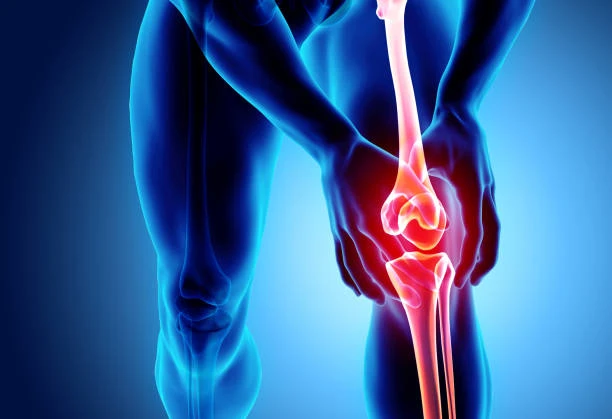
Knee osteoarthritis is the most common reason behind long-term knee pain. Knee osteoarthritis is a reason why people have knee pain that does not go away. This usually happens when people are over 40 or 45 years old and they are overweight. It also happens to people who put a lot of stress on their knee joints because of their job. When someone has knee osteoarthritis the cartilage in their knee starts to wear, the space between the joints gets smaller and the knee gets inflamed. All of this leads to knee pain, the knee feeling stiff and it being harder to move the knee. Many people with knee osteoarthritis say that their knee pain gets worse when they are active, their knee feels stiff when they sit for a time, it hurts to climb stairs and their knee swells up when they put too much strain on it. Knee osteoarthritis is what causes all these problems with the knee. In early to moderate stages, structured lifestyle correction and targeted care can make a meaningful difference.

Non-surgical knee pain treatment in Jaipur (what is usually included)

So you are looking for treatment for knee pain in Jaipur that does not involve surgery. Non-surgical knee pain treatment in Jaipur usually includes a lot of things. The doctor will first try to find out what is causing your knee pain. Then non-surgical knee pain treatment in Jaipur may include therapy and exercise to make your knee strong. You may also get medicine to reduce the pain and swelling. Sometimes non-surgical knee pain treatment in Jaipur includes things like acupuncture to help with the pain. The goal of non-surgical knee pain treatment in Jaipur is to make your knee feel better without having to do surgery. Knee pain care usually starts with conservative steps such as activity modification, weight management guidance to reduce joint load, strengthening plans for thigh muscles, flexibility exercises, and short-term medication optimisation where clinically suitable. Support like braces, footwear guidance, posture correction, and physiotherapy planning can also reduce stress on the knee joint. When pain continues despite these steps, minimally invasive options may be considered based on diagnosis and patient suitability.

Knee Pain

Advanced minimally invasive knee pain treatments (when suitable)

A lot of people these days look for non-surgical knee pain options. They do this because they want to avoid getting knee replacement surgery or at least put it off for a while. When doctors check the knee pain symptoms and do some tests like imaging they can figure out what is going on. Then they can talk about pain procedures for the knee pain depending on what they find out from the symptoms, the tests, and the clinical evaluation of the knee pain. A genicular nerve block is a way to stop pain signals from the nerves around the knee. This method is often used for people who have knee pain that will not go away, especially pain from osteoarthritis. Doctors use a nerve block to see if it will help with the pain. The genicular nerve block can also help doctors figure out if blocking the nerves is a way to control the knee pain for the patient. The response to the nerve block will tell the doctors if this option is the right choice for the person with chronic knee pain. For some patients the doctor may think about doing a procedure called nerve ablation. This can help these patients have pain relief for a longer time. It works by stopping the nerves that are causing the pain from sending pain signals. The doctor will only consider this option after they have checked the patient carefully. In many cases the doctor will also want to try a block first to see if it helps the patient feel better. Doctors may also think about Genicular Artery Embolization for some people with osteoarthritis. This procedure uses imaging guidance and works by reducing the blood supply that contributes to knee pain and swelling. For some patients this can reduce pain and swelling related to osteoarthritis. However, it does not work for everyone, and the doctor must evaluate the patient and review imaging to decide if Genicular Artery Embolization is suitable. At VascuCare Diagnostics & Interventions, the focus is always on selecting the right option for the right patient based on diagnosis, safety, and realistic expectations.

When is knee replacement actually needed?

A knee replacement is needed when your knee is really bad and it hurts a lot. This usually happens when the cartilage in your knee joint is all worn out. You might need a knee replacement when you have a lot of pain in your knee that does not get better with rest or therapy. Knee replacement is also needed when your knee is deformed and it becomes hard to move around. For example, if you have arthritis in your knee you might need a knee replacement. Knee replacement may also be needed for people who have had an injury to their knee. In these cases a knee replacement can really help to make your knee feel better and make it easier to move around. However, seeing a knee pain specialist does not automatically mean surgery. Many patients manage their pain well without replacement, especially when they seek care early. Knee replacement is usually considered when joint damage is advanced, pain is severe and continuous, mobility is significantly reduced, and conservative plus interventional options are no longer providing meaningful relief. A specialist helps you understand where you fall on this spectrum and what practical choices you have right now.

How to prepare for your knee pain consultation

When you go to see a doctor it is an idea to bring your old X-rays or MRI reports with you. This will help the doctor understand your problem better. Try to remember when your pain first started. Think about what makes your pain worse like walking up and down stairs walking or sitting for a time. Do you get swelling after you do something make a list of the medicines you have already taken. The therapies you have already tried for your pain. Also tell the doctor if you have ever been hurt really before. If you have diabetes be sure to tell the doctor. If you have gained or lost a lot of weight the doctor should know this too. What is your job, like? Do you have to stand all day or climb a lot of stairs at work? The doctor needs to know these things about your X-rays and your life. Most importantly, be clear about your goal—better walking, less pain at night, avoiding surgery, or returning to work comfortably—so the plan can match your priority.

Knee Pain

Exercises for knee pain (safe, practical guidance)

The best knee exercises for a lot of people are the ones that make the muscles around the knee stronger. This helps the knee without putting much strain on it. Doing things like strengthening the front of your leg lifting your leg out bending your knee slowly and stretching the back of your leg can really help your knee feel better. You should do these exercises all the time. Make sure you are doing them the right way.some good activities for people with knee problems are walking on ground riding a bike and exercising in the water. These activities are good because they help your blood flow and make it easier to move without being too hard, on your knee. If exercise increases swelling, causes sharp pain, or you feel instability, the plan should be adjusted under professional guidance.

Why choose Dr. Rakesh Kumar Kumawat at VascuCare Diagnostics & Interventions

Patients often prefer Dr. Kumawat because the approach is diagnosis-first and mobility-focused, not trial-and-error. Care is structured around symptom mapping, imaging review when needed, minimally invasive options for suitable patients, and follow-up guidance aimed at better daily function. If knee pain is affecting your routine, early consultation can help you move with more confidence and reduce the chances of long-term limitation.

15+ Years of Experience Delivering Trusted Healthcare

With over 15 years of experience, VascuCare Diagnostics & Interventions is committed to providing accurate diagnostics and patient-focused care. Our expertise, modern technology, and professional medical support help ensure reliable reports and effective treatment for every patient. Experience dependable healthcare and compassionate service at VascuCare.

title icon
Fill Details and

Book Your Appointment

For Appointments & Consultation: Kindly fill out form or contact us at (+91) 88900 28272. Our team will get back to you within 24 hours.

    title icon
    Common

    Frequently Asked Questions

    Lots of people go to see Dr. Rakesh Kumar Kumawat at VascuCare Diagnostics & Interventions. They do this because Dr. Rakesh Kumar Kumawat provides an organized way to treat knee pain. The treatment for knee pain that Dr. Rakesh Kumar Kumawat gives is not very invasive so it does not hurt much. Dr. Rakesh Kumar Kumawat helps people with knee pain, at VascuCare Diagnostics & Interventions.

    Knee osteoarthritis is one of the most common causes, especially with age, excess weight, and long-term joint stress.

    You should think about going to see a knee pain doctor when your knee hurts a lot and it is hard to move. If you have knee pain that does not go away you should go see a knee pain doctor. You can also go see a knee pain doctor if your knee pain is really bad and you do not know what is causing the knee pain.

    If the pain lasts for weeks or it just keeps coming or it is affecting your walking or your sleep or the pain is not getting better with the usual things you do to take care of yourself then it is time to go see a doctor, about your pain.

    Yes. A lot of people get better when they make changes to their routine do physical therapy and have simple procedures to help with the pain. This is because the treatment depends on what’s actually wrong with them so the doctor will look at their specific case and decide what to do. Many cases of pain can be helped with these things, like lifestyle correction, physiotherapy planning and minimally invasive pain interventions depending on the diagnosis of the patient, with pain.

    This method is for relieving pain in an area. It helps to reduce the pain signals that come from the nerves around the knee. The doctors use this method for people who have pain that will not go away. They choose the people who will get this treatment carefully. The goal of this treatment is to help people with pain around the knee feel better. This method is called a targeted pain relief method because it targets the pain in one area, which is, around the knee.

    This procedure is done to help people deal with pain that lasts a time. It works by stopping the pain signals that come from nerves in the knee. The goal of this procedure is to give people lasting pain control. It is usually done on patients who’re suitable for this kind of treatment. The procedure targets nerves, in the knee to stop the pain.

    GAE is a procedure that does not require a cut. It uses images to guide the doctor. This procedure can help some people who have osteoarthritis. It does this by reducing the blood supply that is causing inflammation. GAE can be an option, for selected osteoarthritis patients.

    This does not always happen. Many patients get checked for symptoms. They also get an X-ray. The doctor usually says to get an MRI when they think the patient has a ligament injury or a meniscus injury or a cartilage injury.

    I want to find ways to reduce knee pain at home. Knee pain can be really bad. I need to do something about it. Are there things I can do at home to help with my knee pain? I have knee pain. I want to reduce knee pain at home. To deal with pain we need to think about weight control doing things that’re easy on our bodies and not doing too many things that hurt our bodies like going up and down a lot of stairs or doing squats. We also need to make our muscles strong in the way. If the pain does not go away we should get it checked out. The things that help are weight control, low-impact activity avoiding stairs and squats and correct strengthening of our muscles. If we still have pain we need to see a doctor, about the pain.

    You should think about getting a knee replacement if your knees hurt a lot and it becomes difficult to do everyday activities like walking or climbing stairs. If the pain is severe and it is affecting your daily life, a knee replacement may be needed. However, it is important to talk to a doctor about your knee problems first.

    The doctor will examine your knees, ask about your symptoms, and decide whether a knee replacement is the right option for you. This decision is usually made by a specialist who looks at several factors, such as how severe the problem is, what imaging tests show, how much your daily activities are limited, and how well other treatments are working.

    In many cases, patients can delay surgery and manage their condition with other treatments for some time. Because knee replacement is a major decision, it is important to make sure it is really necessary before choosing to have the surgery.

    When the pain gets better and the strength of the muscles improves people usually feel more comfortable when they are walking. They also feel more confident. This is because walking comfort and confidence are much connected to the pain and the strength of the muscles. So when pain reduces and strength improves, walking comfort and confidence usually get better too.

    It depends on stage and symptoms—options range from lifestyle + physiotherapy to minimally invasive procedures for selected patients.

    Call Now Whatsapp