Best Joint Pain Treatment Doctors in Shalby Hospital Jaipur
Knee pain and joint pain do not always show up as an issue right away. For a lot of people it starts with a bit of pain after they walk or their joints feel stiff when they wake up in the morning or it hurts when they are climbing stairs.
As time goes on the same knee pain and joint pain can start to get in the way of life. Standing for a long time becomes really tiring sitting for too long makes the knee feel locked and even a short walk can start to feel like a lot of work. Knee pain and joint pain can really make things difficult. When the pain keeps coming this is usually not something that you should try to deal with on your own. If you have knee pain or joint pain that keeps happening this often means that there is something going on that you need to find out about. You need to get an idea of what is causing the pain and then make a plan to take care of it. Just trying to feel better for a while is not enough. You need to figure out what is causing the knee pain or joint pain. Then do something about it.
If you are looking for the Best Knee Pain Doctor in Shalby Hospital Jaipur you probably want to know some things. You want to know why you have Knee Pain. You want to know what treatment will really help you with your Knee Pain. You also want to know if you can avoid taking painkillers for a time or having major surgery, for your Knee Pain. People who are looking for the Best Joint Pain Treatment Doctors in Shalby Hospital Jaipur usually want a doctor who knows a lot about pain and other issues like osteoarthritis and inflammation. They want a doctor who can help them with mobility loss and the problems they face every day. The Best Joint Pain Treatment Doctors, in Shalby Hospital Jaipur should be able to guide the treatment in a way that’s easy to understand and follow. The Best Joint Pain Treatment Doctors are the ones who can really help people deal with pain.
At Shalby Hospital Jaipur, patients seeking advanced knee pain relief and joint pain care often consult Dr. Rakesh Kumar Kumawat, known for a modern approach focused on accurate diagnosis, minimally invasive options (where suitable), and realistic recovery planning that supports better mobility.
Knee pain specialist at Shalby Hospital Jaipur
Dr. Rakesh Kumar Kumawat is a doctor who helps people with Vascular and Interventional Radiology problems. He is also very good at managing pain. He does procedures that use images to guide him. These procedures are not very invasive which means they do not hurt as much. Dr. Rakesh Kumar Kumawat also knows a lot about ways to manage pain that focus on the pain itself.
Dr. Rakesh Kumar Kumawat has qualifications he has done MBBS, DNB in Radiology he has a Fellowship in Vascular and Interventional Radiology and he also has FIPM, which is a Fellowship in Interventional Pain Management from Delhi Pain Management Centre, in Delhi. This combination is really helpful for people who are dealing with pain because a lot of long term pain problems get better when the treatment is focused on the area that hurts instead of just taking medicine. The combination is valuable in pain care because many chronic pain conditions respond better when treatment is precise and targeted of being purely medicine-based which is why this combination is so important for pain care and, for people who have chronic pain conditions.
He has worked in reputed institutions such as Max Hospital Noida, Fortis Hospital Noida, and Artemis Hospital Gurgaon, managing complex cases with a careful balance of innovation and safety. Patients often appreciate his calm communication style, clarity in explaining the condition, and a step-by-step approach that makes the treatment journey feel guided rather than confusing.
Why knee pain needs specialist treatment, not only painkillers
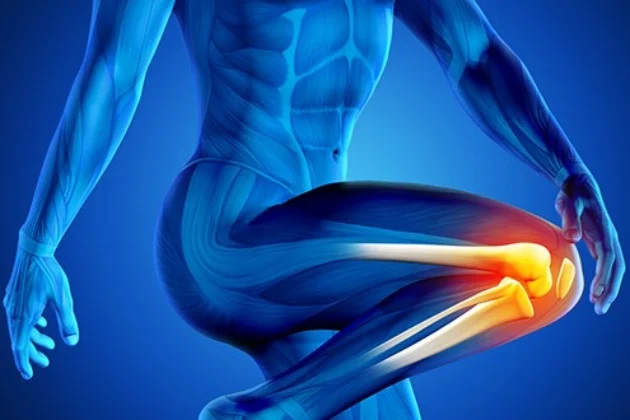
Knee pain is something that people often think is a part of getting older but the truth is that it is usually caused by something else. A lot of the time knee pain is linked to things like cartilage wear, which is also known as osteoarthritis or joint inflammation. Sometimes it is caused by injuries that never fully healed or problems with the ligaments or meniscus. The way the knee is aligned can also cause pain. People often take painkillers to feel better. These only work, for a little while. They do not fix the problem so the pain always comes back. When this keeps happening over again for months it can cause people to be less active which makes their muscles weaker. This can also cause the knee to become stiffer and more sensitive so even small things can cause a lot of pain. Knee pain is a problem that can keep getting worse if it is not taken care of.
A specialist-led approach focuses on identifying the true pain generator—whether it’s osteoarthritis, inflammatory pain, injury-related pain, or nerve-related pain—then building a plan that reduces pain while improving function. The goal is not only to feel better temporarily but to walk better, move better, and reduce future flare-ups.
Common causes of knee and joint pain
Knee pain is something that a lot of people have to deal with. This is often because of osteoarthritis. Sometimes it is because the joint gets inflamed. Muscle weakness around the knee can also cause knee pain. Being overweight can put strain on the knee. The way you live your life can also be a factor. For example if you have to climb stairs a lot or stand for periods of time this can cause knee pain. Some people get knee pain because the meniscus in their knee is wearing out. Knee pain can also happen if you strain a ligament or if you had an injury a time ago that never really got better. The knee pain that people experience can be due to osteoarthritis or other things like inflammation, muscle weakness around the knee or excess load from being overweight. Knee pain is also caused by lifestyle triggers such as stairs and prolonged standing or degenerative changes in the meniscus and sometimes people experience pain due, to ligament strain or old injuries that never fully recovered from the injury to the knee.
Joint pain can involve more than just the knees. Shoulder stiffness, hip pain while walking, neck discomfort, and back-related pain can appear together—especially when mobility reduces and muscles weaken. That’s why a complete evaluation matters, because sometimes the main issue isn’t only the joint, but how the body is moving as a whole.
When should you see a knee pain doctor at Shalby Hospital Jaipur?
If pain is affecting your routine, it’s worth getting evaluated early. Common signs include pain while walking or climbing stairs, stiffness after sitting, swelling around the knee, cracking sounds with discomfort, pain that worsens by evening, disturbed sleep due to pain, or fear of walking because the knee feels unstable. If pain keeps returning even after medicines and physiotherapy, it usually means the condition needs deeper assessment and a more targeted plan.
How knee pain is diagnosed at Shalby Hospital Jaipur
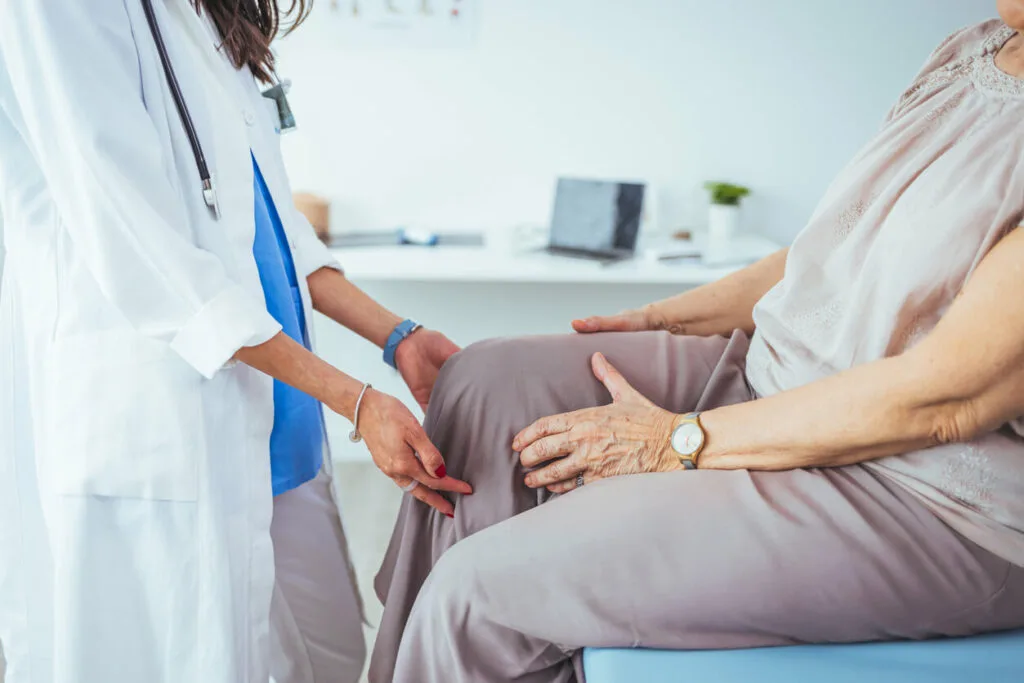
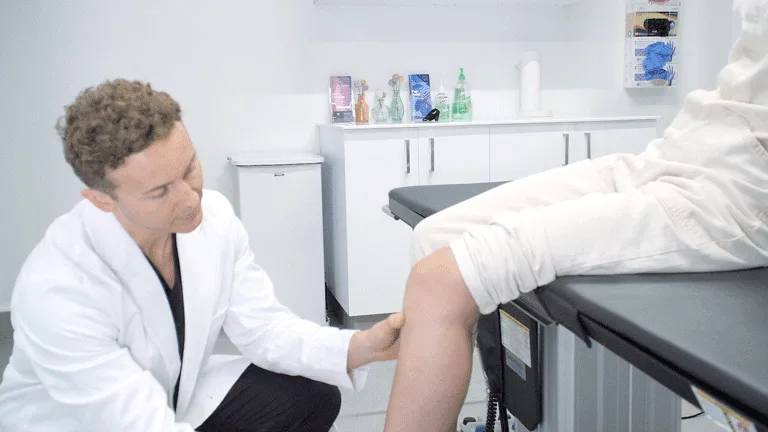
To get the treatment you need to understand what is going on. When a doctor looks at your problem they usually do a lot of things. They ask you about your pain. They want to know when your pain started what makes it worse and what makes it better. They also check how you move. If your joints are stable. They look for swelling and sore spots. They even look at what other doctors have said about you in the past. The doctor uses pictures of the inside of your body to help figure out what is wrong. They use these pictures when they think it will help them understand your symptoms. X-rays are very helpful when they think you might have osteoarthritis. X-rays can show them how bad your osteoarthritis is and if the space between your joints is getting smaller. Sometimes they might want you to get an MRI. They do this when they think you might have hurt your meniscus or ligament or cartilage.
They use the MRI to get a look at these problems, with your meniscus or ligament or cartilage. So in some situations doctors can use ultrasound to look at inflammation. It can also help them do specific procedures to deal with pain. They use ultrasound to guide these pain treatments, in selected cases like when they need to assess inflammation and figure out the way to help the patient. This diagnosis-first approach reduces guesswork. It helps ensure you’re not under-treating something that is progressing, or over-treating something that can be managed with focused strengthening and correction.
Knee pain treatment in Shalby Hospital Jaipur
Knee pain treatment should be something that you can really use. Most of the time knee pain treatment starts with things like changing what you do every day fixing your posture making a plan for physical therapy getting stronger and getting help with your weight if you need it. For a lot of people these steps really help. Especially when you do them all the time and someone is checking in on you to make sure you are doing them correctly. Knee pain treatment is, about finding what works for you and sticking to it like following a good physical therapy plan and keeping up with the exercises. Knee pain treatment can be pretty straightforward when you have the help.
When pain persists despite regular care, advanced minimally invasive options may be considered for suitable candidates. The best plan is always personalized because knee anatomy, pain severity, and lifestyle needs vary from person to person.
Advanced knee pain relief options under specialist guidance
A lot of people who’re patients these days want to find ways to reduce pain without having surgery. They do not want to have knee replacement if they can help it. Doctors look at each patient. Decide what will work best for them. If it is an idea the doctor and patient can talk about things like targeted interventions that can help the patient with knee replacement. The patient and doctor have to discuss what is best, for the patient and the knee replacement.
People often think about the nerve block when they have knee pain that will not go away. This is a procedure where doctors target the nerves around the knee to stop the pain. The genicular nerve block can be an idea, for some people especially when other treatments are not working very well to make the knee pain better. The knee pain is still a problem. The genicular nerve block can help with that.
So there is this thing that people are looking at for some patients with osteoarthritis it is called Genicular Artery Embolization or GAE for short. Genicular Artery Embolization is a procedure that does not require a cut it uses images to guide the doctor. The doctor uses Genicular Artery Embolization to stop the blood supply that is making the knee swollen and painful because of osteoarthritis. When Genicular Artery Embolization reduces the blood flow that is making the knee swollen the pain and swelling in the knee may get better. The patient may be able to move around more easily in some cases, with Genicular Artery Embolization.
These treatments are not for everyone. Proper evaluation and imaging-based assessment are important to decide whether they fit your condition and goals. The focus remains on safety, realistic expectations, and mobility improvement.
Joint pain treatment beyond the knee
Lots of people look for the best doctors to help with pain treatment. They usually have problems with than one joint. This can be shoulder pain or hip pain or stiffness in the neck or pain in the elbow. Sometimes it is because of arthritis or the joint just getting old.
The doctors look at how the person moves and their posture. They also think about how much inflammation’s in the body and what things make the pain worse every day. They want to know how the joint pain changes throughout the day. The joint pain treatment plan usually includes ways to control the pain and exercises to make the joint stronger. It also includes ways to make the joint move better. Sometimes the doctors use treatments that’re not very invasive when that is a good option, for the joint pain treatment. The goal is to help you function better, not just “mask” pain.
Why patients choose Dr. Rakesh Kumar Kumawat
Patients usually want three things: confidence in diagnosis, non-surgical options, and a clear plan. Dr. Rakesh Kumar Kumawat is often chosen because of his interventional pain management training and image-guided precision approach. Patients feel more confident when they understand what is causing the pain, what options are available, and what recovery realistically looks like. His approach is structured—evaluate properly, treat precisely, and guide recovery carefully—so improvements are supported with prevention and follow-up.
What recovery usually looks like
Recovery usually looks like an difficult process. It is the time when the body heals and gets better after being sick or hurt. The thing about recovery is that it takes time and patience. Recovery usually looks like a lot of rest. Taking care of the body.
Sometimes recovery looks like going to the doctor a lot and taking medicine. The process of recovery usually looks like an steady road to getting better. Recovery usually looks like doing things that help the body heal like eating food and getting enough sleep. The process of recovery usually looks like a time to focus on getting better and not doing much too soon. Recovery usually looks like being kind, to the body and taking things one step at a time.
Recovery depends on the chosen plan. Physiotherapy and strengthening work gradually and build stability over time. Minimally invasive pain procedures are often aimed at reducing pain faster so patients can move better and strengthen effectively. Most patients receive activity guidance, follow-up planning, and a realistic mobility roadmap so improvement doesn’t remain temporary. Consistency is key—once pain reduces, strengthening and movement correction are essential to keep the knee stable and reduce future flare-ups.
Knee pain causes
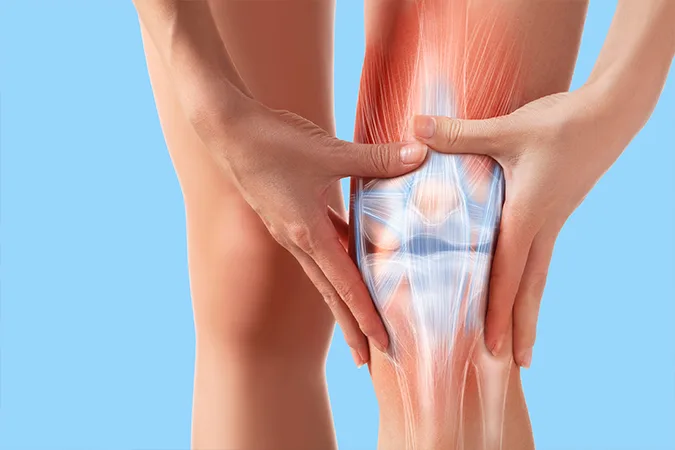
Knee pain happens when the cartilage or the ligaments or the tendons or the muscles around the knee get irritated or hurt. One big reason for knee pain is Osteoarthritis. This is when the surfaces of the joints wear away slowly. This wearing away can cause the knee to get stiff and swollen and hurt. You will feel this pain when you are walking up and, down stairs or going for walks or just standing. You can also get pain in the front of the knee. This is when the kneecap is not moving right. The kneecap gets out of balance. That causes pain. You will feel this pain when you sit for a time or climb stairs or squat down. Knee pain is what you will have to deal with in these situations.
Old injuries like meniscus damage or ligament strain can cause clicking, instability, or long-term discomfort. Weak thigh muscles, tight hamstrings, poor posture, wrong footwear, weight gain, and low activity levels can worsen symptoms. In some cases, knee pain may be linked to inflammatory arthritis, tendon irritation, bursitis, or referred pain from the back—so accurate evaluation matters.
A good knee exercise plan is about getting your knee moving making it stronger and improving your balance. You can start with things like sliding your heel on the floor and stretching your knee out straight. These gentle movements can really help get rid of stiffness in your knee.
To build up support around your knee you need to do some strength work. This includes things like tightening the muscles in the front of your thigh lifting your leg up and lifting your leg out to the side while lying down. These exercises help take some pressure off your knee when you are walking or standing.
It is also very important to make your hips and bottom muscles strong. The reason for this is that strong hips help your knee stay in the position and do not put as much strain on it. Strong hips and a strong bottom are really good for your knee. Knee exercises like these are very helpful, for your knee.
Low-impact cardio like cycling, swimming, or flat-surface walking improves circulation and joint lubrication without heavy impact. Start slow, keep movements controlled, and increase gradually. If any exercise causes sharp pain, swelling, or instability, it should be modified with professional guidance. In knee recovery, consistency matters more than intensity.

For Appointments & Consultation: Kindly fill out form or contact us at (+91) 88900 28272. Our team will get back to you within 24 hours.
A lot of people go to see Dr. Rakesh Kumar Kumawat when they have knee pain. They think he is a doctor for knee pain relief. Dr. Rakesh Kumar Kumawat uses ways to help people with knee pain that do not require big surgeries. People like that Dr. Rakesh Kumar Kumawat can help them with knee pain without having to go through a lot of pain. Dr. Rakesh Kumar Kumawat is an option for people who want to try new methods, for knee pain relief.
Knee osteoarthritis is one of the most common causes, especially with age, overweight, or long-term joint stress.
You should go see a knee pain specialist in Jaipur when your knee pain is really bad. If the knee pain in Jaipur is bothering you a lot you should go to a knee pain specialist in Jaipur. Knee pain specialists in Jaipur can help you with your knee pain, in Jaipur.
If the pain lasts for weeks or it keeps coming or it affects your ability to walk or sleep or the pain does not get better with the treatment you normally use for pain.
Yes. A lot of patients get better with physiotherapy. Physiotherapy really helps them. They also get better when they do strengthening exercises. Changing their lifestyle is also very important. Doctors also try invasive options. The treatment that the patients get depends on what’s wrong with them the diagnosis of the patients. Physiotherapy and these other things can really make a difference, for the patients.
This is a procedure that helps to make the pain signals from the nerves around the knee smaller. It is used for people who have knee pain that will not go away. The procedure is targeted at the nerves, around the knee that are causing the pain. It is only used for cases of chronic knee pain. The knee nerves are the focus of this procedure.
The GAE procedure is a way to treat some people with knee osteoarthritis. It uses images to guide the doctor. The goal of GAE is to stop the blood supply that is making the knee swollen and painful. This can help people with knee osteoarthritis who have a lot of inflammation. The GAE procedure is not very invasive so it does not hurt much as some other treatments. Doctors use GAE to help patients with knee osteoarthritis.
Sometimes people get knee pain. They do not know what to do. They think about getting a magnetic resonance imaging test for their knee pain. The question is do you really need a magnetic resonance imaging test for your knee pain? You should talk to a doctor about your knee pain. The doctor will tell you if you need a magnetic resonance imaging test, for your knee pain.
Sometimes that is not the case. An X-ray is usually enough to check for osteoarthritis.. The doctor may want the patient to have an MRI if they think the patient has a meniscus or ligament injury. The X-ray is often used for osteoarthritis evaluation. The MRI is better, for looking at the meniscus or ligament.
Knee pain is something that can happen to people at any age. It can be caused by an injury. Sometimes it is because the muscles around the knee are weak. Being overweight can also cause knee pain. Inflammation is another reason for knee pain. If someone has posture this can cause an imbalance and lead to knee pain. Knee pain can happen due to these reasons, at any age. Knee pain is a problem that can affect people of all ages.
To deal with weight control it is an idea to do low-impact activity. This means you should avoid doing things that’re too hard on your body. For example you should not do squats when you are having a lot of pain.
Guided strengthening can also help with weight control and pain. However if you still have pain all the time you need to go see a doctor. The doctor can figure out what is going on with your weight control and pain and help you make a plan to feel better. Weight control is important. So is taking care of pain.
They usually think about doing a knee replacement when the knee’s really bad. The knee replacement is considered when other things do not work for the knee problem. Knee replacement is considered for people who have a lot of pain in their knee. The doctors consider knee replacement when the knee is very damaged. Knee replacement is also considered when the person has trouble moving around because of their knee.
When the damage to the joints is really bad and the pain is so severe that it affects your life a lot even when you have tried all kinds of treatments that do not involve surgery joint damage is a problem and the pain, from joint damage is very hard to deal with.
When the pain gets better and the muscles get stronger people usually feel more comfortable and confident when they walk. This is because they can walk without feeling much pain. Walking comfort and confidence often get better when the pain reduces and strengthening improves.
To find the joint pain treatment doctor in Shalby Hospital Jaipur you should do some research. First you need to make a list of doctors who specialize in pain treatment at Shalby Hospital Jaipur. Then you need to look at the experience of joint pain treatment doctors. You can ask your friends or family members for recommendations for pain treatment doctors at Shalby Hospital Jaipur. You should also read reviews of joint pain treatment doctors online.
When you are looking for the joint pain treatment doctor in Shalby Hospital Jaipur you need to consider the qualifications of joint pain treatment doctors. You can visit the website of Shalby Hospital Jaipur to get information about joint pain treatment doctors. The best joint pain treatment doctor in Shalby Hospital Jaipur will be able to help you with your pain treatment. You should choose a joint pain treatment doctor who is experienced in treating pain and has a good reputation.
Copyrights © 2023 All Rights Reserved by VascuCare Diagnostics & Interventions