Living with fibroids can quietly drain your energy, challenge your confidence, and simply make life a bit more unpredictable for you. From the slight increase in the heaviness of your periods, the constant fatigue, pressure in the pelvis, ache in the lower back, increased frequency in bathroom use, and the presence of anemia due to blood loss, the process is slow and silent until these symptoms encroach on your life in the workplace, family life, and even on vacation.
But today, you don’t have to assume surgery is always the solution. There is a modern approach called Uterine Fibroid Embolization (UFE), which is less invasive and less disruptive to the body. At VascuCare Diagnostics & Interventions, UFE is provided using cutting-edge technology in a minimally invasive approach, guided by Dr. Rakesh Kumar Kumawat. The outcome is more comfort, more confidence, and a better quality of life—all in a fraction of the traditional time.
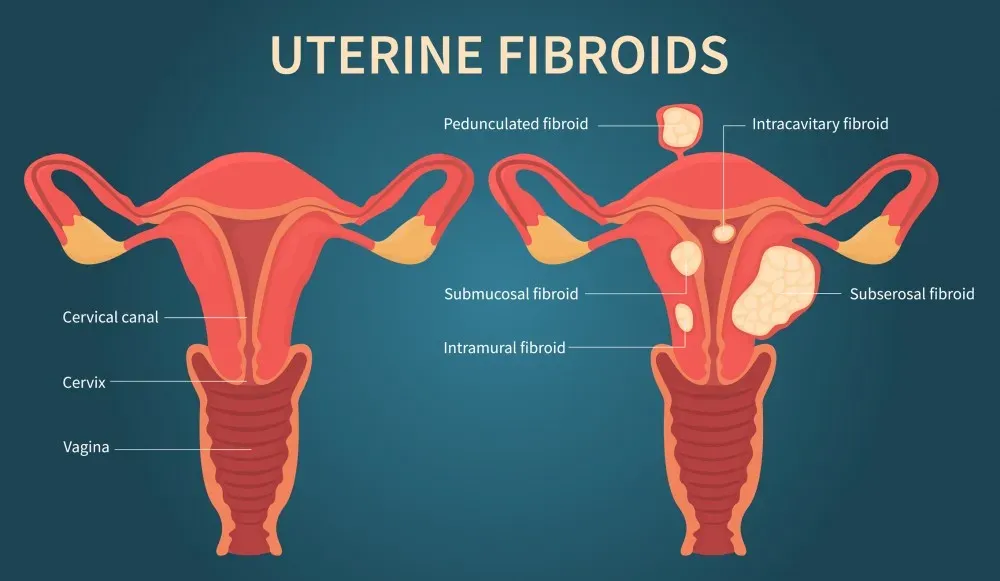
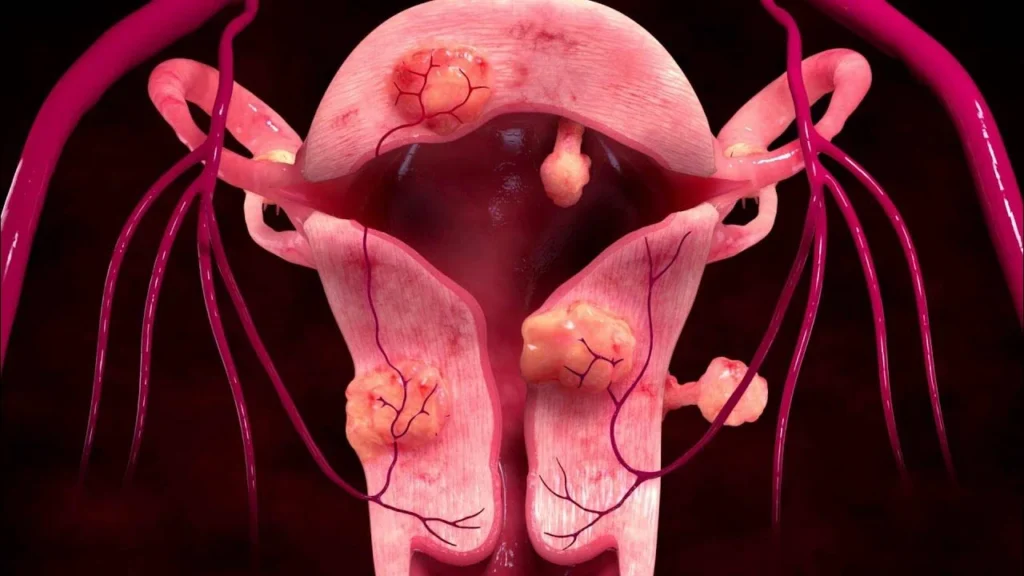
Uterine fibroids are growths or tumors which develop inside or outside the uterus. They can be rather variable in terms of their size, number, and the position where they are found. Some women have fibroids and never have any signs or symptoms at all, while others have ongoing symptoms which get progressively worse over time.
Some women may often have all or some of the following symptoms, which include heavy and prolonged periods, pelvic discomfort, a sensation of fullness in the lower abdomen, backache, frequent urination caused by the pressure on the bladder, constipation, and anemia. Since fibroids grow gradually, many women fall into a schedule before they are aware of the level to which they have adjusted their lives to these symptoms.
“If symptoms start to control the way daily activities are managed instead of daily activities controlling symptoms, it is important to seek out effective and lasting treatment for the symptoms.”
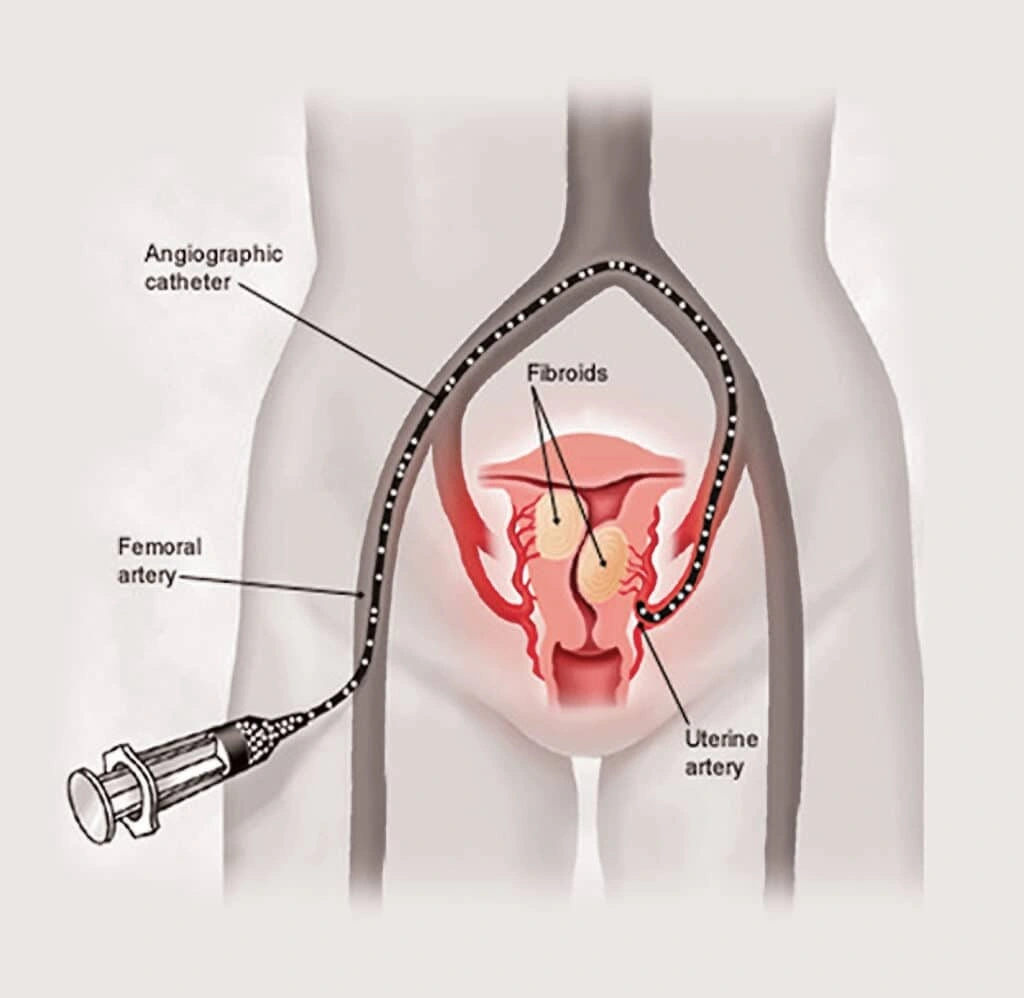
Uterine Fibroid Embolization, as a non-surgical technique, involves cutting off the blood supply to the fibroids. This is because the supply of blood from the vessels of the uterus is what enables the growth and survival of the fibroids, and this is the area of focus in the process, not the actual fibroids.
In this process, small medical-grade materials are injected into the uterine arteries. These materials reduce the flow of blood to the fibroids, causing them to reduce in size over a period of time. As the fibroids reduce in size, the symptoms of fibroids also decrease.
UFE does not harm the uterus, and so it is often preferred as a uterusesparing method with a quicker recovery time than open surgery.
UFE is no ordinary gynecological treatment, as it is performed by a Vascular and Interventional Radiologist, who is a medical expert specializing in minimally-invasive treatments, to start with. In Jaipur, the front-running interventional specialist and pain management expert is Dr. Rakesh Kumar Kumawat, and UFE, as a treatment, is performed with emphasis on accurate diagnosis, patient selection, surgical precision, and follow-up planning, so that not only is UFE performed, but also performed correctly and safely.
The success of the procedure depends on accuracy, which means clear identification of the uterine arteries and uterine fibroids and treatment of them without damaging healthy uterine tissues. This procedure also requires the application of high technology, expertise, and an understanding of the anatomy of the pelvic area. UFE treatment is tailored to the individual patient’s needs, as understood and appreciated by VascuCare Diagnostics & Interventions.
UFE may be suggested for women who:
– have heavy menstrual bleeding leading to anemia
– experience feelings of pelvic pain, pressure, or abdominal fullness due to fibroids
– want to avoid open surgery or a hysterectomy
– have multiple fibroids, which would be difficult to remove through surgery
– preferably minimally invasive and uterus-preserving
– Show symptoms associated with adenomyosis on imaging How you’re feeling, the images, how healthy you are, and your goals are what will always guide the decision to choose UFE.
While fibroids are the most common cause of consideration for a treatment like this, UFE can also improve outcomes for some individuals suffering from adenomyosis, a disorder in which there is growth of endometrial tissue into the muscle wall of the uterus. This frequently produces pain, heavy periods, and pelvic discomfort. By relieving abnormal blood flow, uterine fibroid embolization can reduce pain and heavy periods for those suffering from adenomyosis.
How Uterine Fibroid Embolization Works
The basic principle that guides UFE remains very simple and powerful: fibroids degenerate and die as they are denied any further blood supply. Preparatory steps begin, and immediately after, the actual procedure occurs within a specially designed room for interventional radiology. A small puncture wound, usually made at either the wrist or groin area, creates an opening that leads to an artery. Next, a small tube, or catheter, inserted into the artery from its primary opening advances to the uterine arteries via an imaging device. Micro-beads then fill up the tube and obstruct blood supply to fibroids, and both uterine arteries usually receive the micro-beads from the same primary opening; this implies that several fibroids can receive treatment within one session only. Weeks and months pass as fibroids gradually shrink, and improvement occurs.
Benefits of UFE Over Traditional Surgery
Many women choose UFE because it works effectively in soothing symptoms and disturbing lives less. The main advantages are:
– No large surgical incision
– Preservation of the uterus
– Capability for treating multiple fibroids simultaneously
– Shortened periods of hospitalization or outpatient/one-day procedures
– Quick return to daily activities
– Fewer complication risks compared to major surgery Clinical studies show that about 85-90% of well-chosen patients receive signification relief from symptoms after their UFE.
While the recovery period differs from one person to another, the majority of women prefer UFE to major surgery. In the first 24-48 hours of UFE, cramping and painful uterine contractions are common and can be effectively alleviated with medication. Fatigue and weakness may accompany the patient for a few days.
In most cases, women are able to return to their normal routines in just a few days, and they are able to return to their normal routines in about one or two weeks, depending on how they feel and what their jobs entail. When looking at the return to normal activities after a hysterectomy, it can be expected in six to eight weeks, and it can be seen that the return after UFE is significantly quicker.
Effectiveness of Uterine Fibroid Embolization
UFE is not regarded as a symptom treatment, rather a removal, although the results are not necessarily a complete removal of fibroids, more so an improvement of the quality of life.
– lighter, easier to manage periods
– less pelvic pressure and the sensation of heaviness
– fewer urinary or bowel problems
– higher energy levels as anemia improves The essence of that is diagnostic accuracy and appropriate patient selection. That’s why appropriate imaging work-up and a thorough consult are important before treatment.
UFE preserves the uterus, which is a major plus for women. However, if you are considering having more children in the future, you should discuss the UFE, its pros, and its effect on fertility with both an interventional radiologist and a gynecologist before you make the final decision, as the outcome will vary from person to person based on the location of the fibroid, the type, age, etc.
Preparation begins with a consultation and evaluation of the imaging, which is usually an ultrasound or MRI scan. Blood tests may be required to check the levels of hemoglobin, kidney function, and the coagulability of the blood. Certain medications, especially anticoagulants or anti-inflammatory agents, may need to be regulated during the short period leading to the treatment. Fasting and arriving time information is sent in advance to facilitate a smooth day of treatment.
Resting, hydrating, and consuming medications as recommended aid the recovery process subsequent to the UFE. Such a follow-up program allows a patient to observe how the fibroids continue to shrink and how the relief from symptoms grows over a significant period of time.
When choosing the right doctor for performing an UFE procedure, there are many factors to keep in mind and not just the procedure itself. With Dr. Rakesh Kumar Kumawat of VascuCare Diagnostics & Interventions, patients receive:
– A personalized diagnostic assessment
– A Precision-Focused, Minimally Invasive Approach
– A strong emphasis is placed upon safety and comfort
– Collaboration with Gynecologists when necessary
– Clear recovery instructions, well-planned follow-up Therefore, for women seeking alternative treatments to the surgical options available, the success rate for UFE using an expert specialist is assured.
Uterine Fibroid Embolization is revolutionizing the treatment of fibroids for women. Providing relief without the burden of a big surgical procedure—physically or emotionally—involves a precise diagnosis, a skilled hands approach, and a caring attitude to meet the needs of women.
If you are thinking of UFE in Jaipur, consultation could aid your choice as to whether UFE is appropriate for you as a referral to individualized, well-informed treatment.
For Appointments & Consultation: Kindly fill out form or contact us at (+91) 88900 28272. Our team will get back to you within 24 hours.
This minimally invasive process targets the blood supply to fibroids and cuts it off.
It is treated by an interventional radiologist such as Dr. Rakesh Kumar Kumawat.
Appropriately selected, many women see an improvement in their symptoms.
No—it makes them smaller and relieves their symptoms. There could be some initial discomfort, but in general, the pain is well-controlled with medication.
Most women return to normal activities within 1-2 weeks.
Yes—the uterus is kept intact.
Existing fibroids become smaller, while new fibroids may emerge.
Yes—that is, it’s less invasive and involves fewer risks than surgery.
Eligibility will be established through a consultation process that will involve an imaging review.
Copyrights © 2023 All Rights Reserved by VascuCare Diagnostics & Interventions